
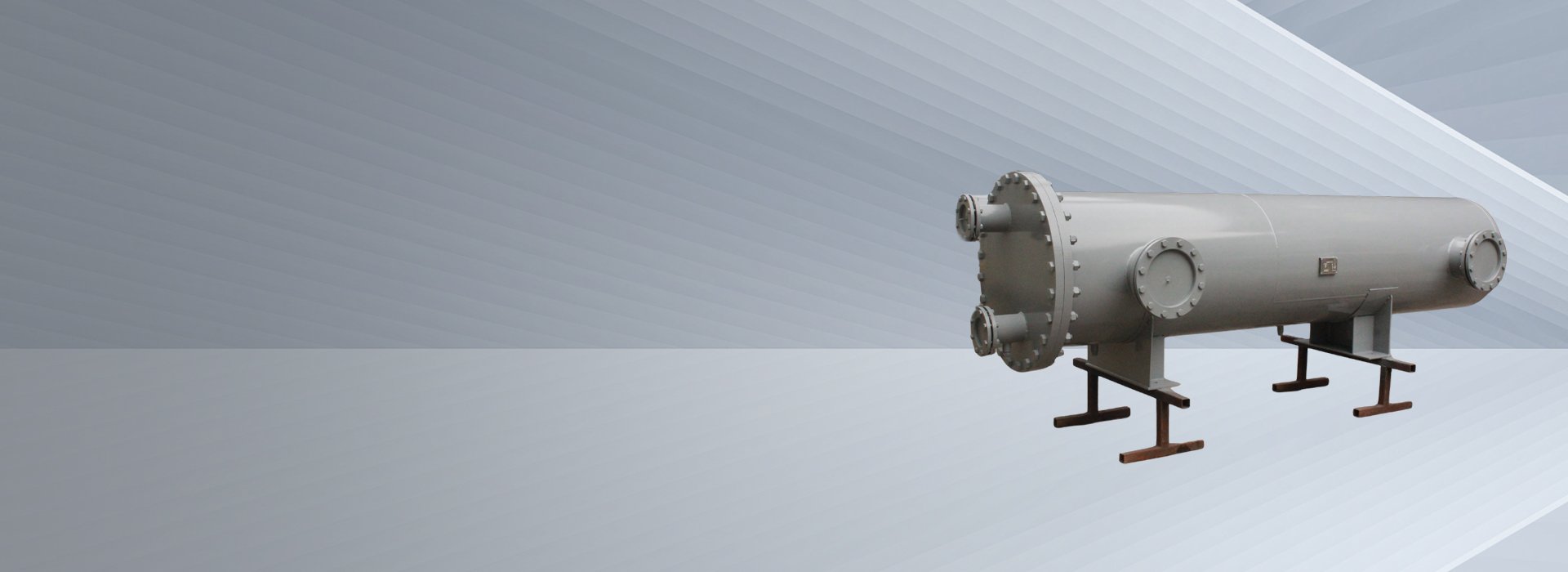
Professional Titanium Shell and Tube Heat Exchanger Manufacturer
UAR has been dedicated to the research, development, and manufacturing of titanium shell and tube heat exchangers for many years, and is a seasoned supplier of heat transfer equipment.
UAR boasts a standardized production base and a professional technical team. We offer comprehensive customization services covering materials, sizes, and structure.
Our titanium shell and tube heat exchangers come in a wide range of models to suit different operating conditions. UAR titanium shell and tube heat exchangers are trusted partners in various industries due to their reliable quality. If you have any needs, please contact us.
Titanium Shell and Tube Heat Exchangers by Structure
UAR supplies various types of titanium shell and tube heat exchangers. UAR designs solutions specifically for highly corrosive operating conditions.
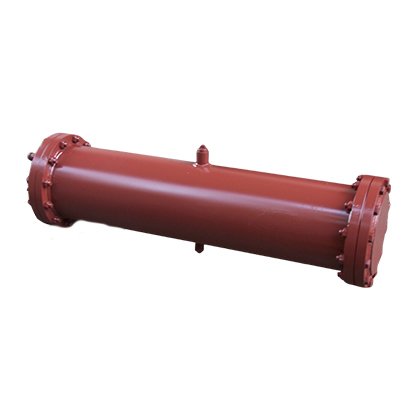 Fixed Tube Sheet Titanium Shell and Tube Heat Exchanger
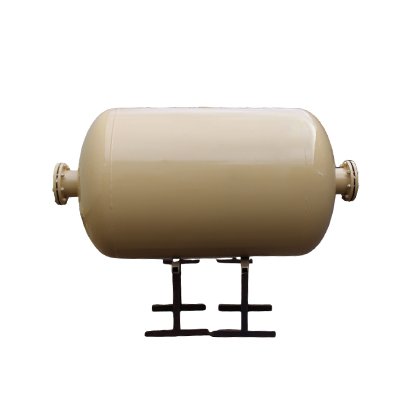 Floating Head Titanium Shell and Tube Heat Exchanger
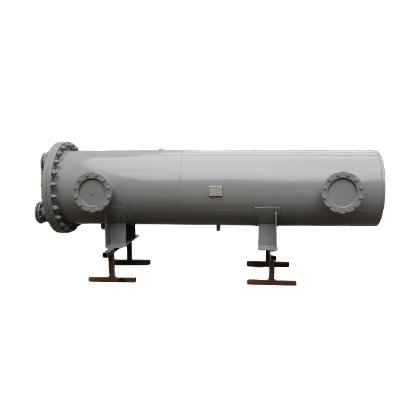 U-tube Titanium Shell and Tube Heat Exchanger
Titanium Shell and Tube Heat Exchangers by Process Flow
UAR titanium shell and tube heat exchangers are offered in multiple configurations, including single-pass and multi-pass designs.
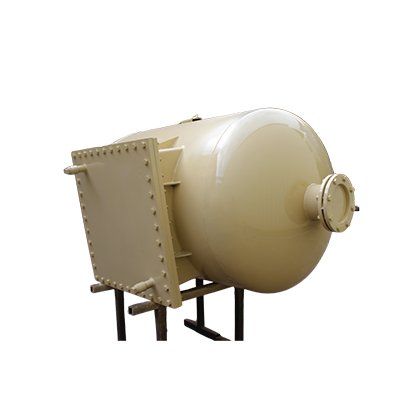 Single-pass Titanium Shell and Tube Heat Exchanger
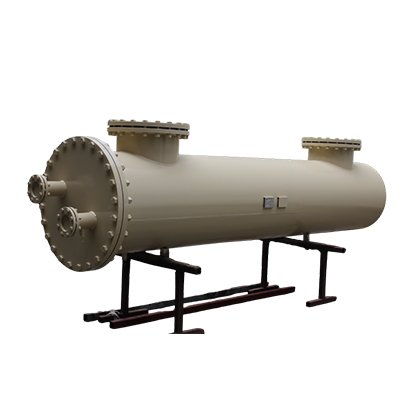 Two-pass Titanium Shell and Tube Heat Exchanger
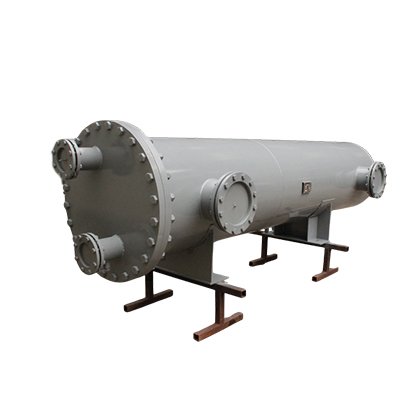 Three-pass Titanium Shell and Tube Heat Exchanger
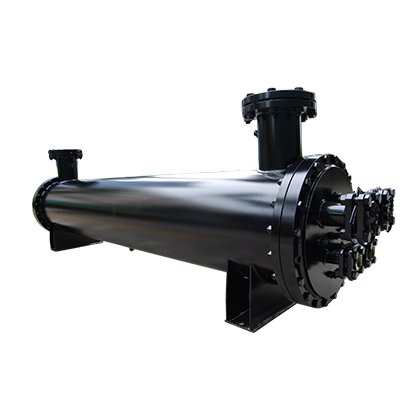 Multi-pass Titanium Shell and Tube Heat Exchanger
Titanium Shell and Tube Heat Exchangers by Application
UAR titanium shell and tube heat exchangers offer highly customizable and suitable solutions for a wide range of industrial applications.
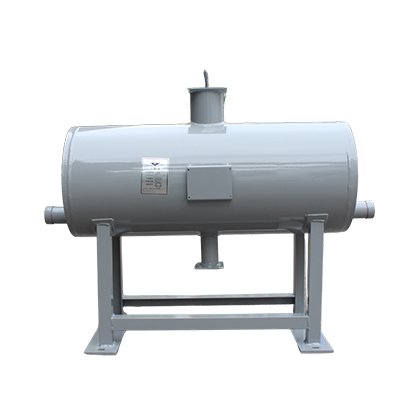 Titanium Shell and Tube Heat Exchangers for Chemical Industry
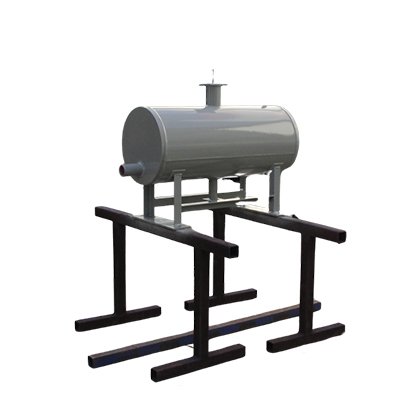 Titanium Shell and Tube Heat Exchangers for Seawater Desalination
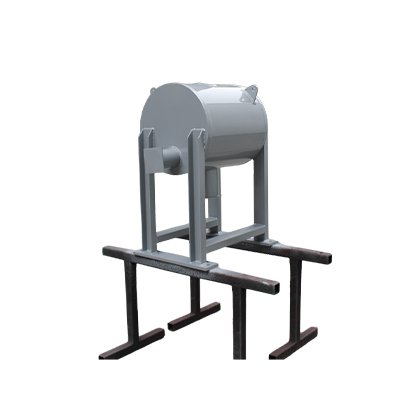 Titanium Shell and Tube Heat Exchangers for the Pharmaceutical Industry
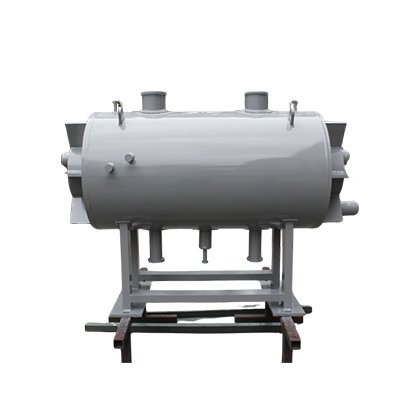 Titanium Shell and Tube Heat Exchangers for Food Processing
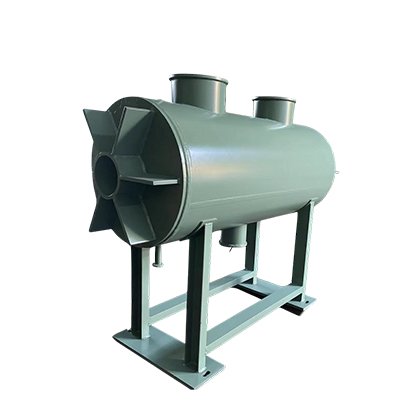 Titanium Shell and Tube Heat Exchangers for the Metallurgical Industryf
Features of Titanium Shell and Tube Heat Exchanger
Setting a new standard for heat transfer in demanding operating conditions.

The core material is resistant to corrosion from strong acids, strong bases, high salt spray, and other harsh environments.

Optimized tube bundle layout and shell-side flow channel design. Improved heat transfer coefficient.

The structure is stable, eliminating the risk of leaks.

Deeply tailored to meet the needs of various fields, including chemical, marine, pharmaceutical, food, and metallurgical industries.
Exclusive Solutions, Precise Matching
UAR supports comprehensive customization of titanium shell and tube heat exchangers, including capacity, sizes, material thickness, interface type, and internal structure. The design is optimized based on your specific operating conditions and installation space.
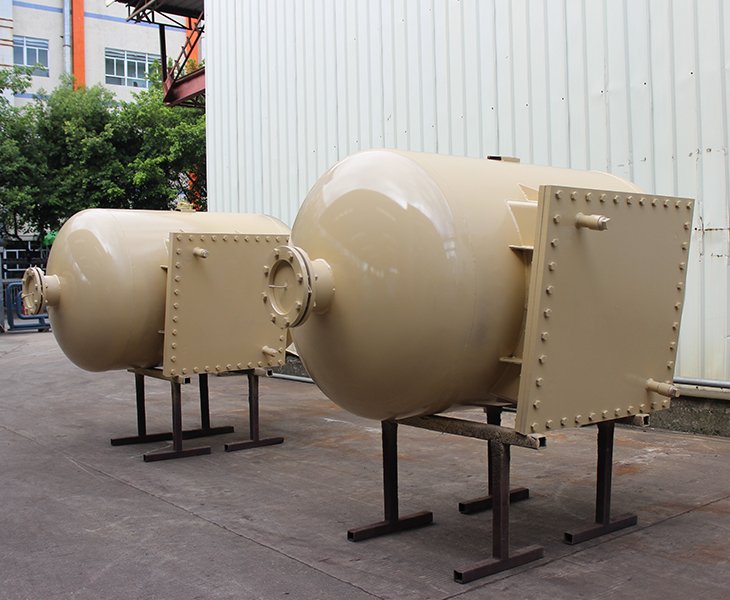
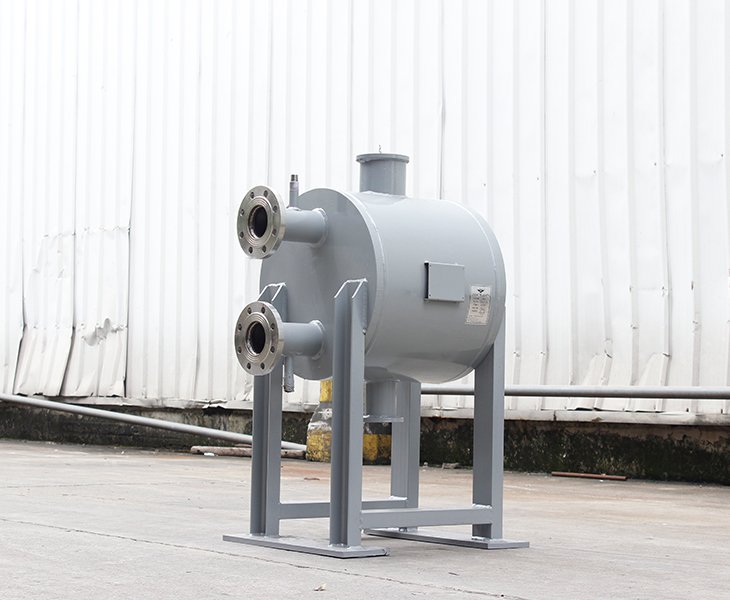
Authoritative Certifications, A Choice You Can Trust.
The entire process strictly adheres to international and domestic authoritative certification standards such as ASME, GB, and PED. Each titanium shell-and-tube heat exchanger undergoes multiple quality inspections. The delivered products are guaranteed to be high-performing, safe, and reliable, giving you peace of mind.
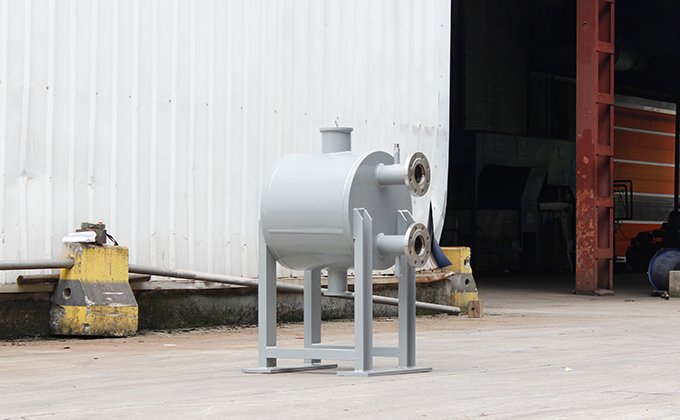
Titanium shell and tube heat exchangers offer the advantages of strong corrosion resistance and stable heat transfer. They can be applied in various industrial environments, including chemical processes, seawater engineering, pharmaceutical production, food processing, and metallurgical systems. Customized designs tailored to specific needs further enhance production efficiency.
Delivery schedules can be reasonably arranged based on material availability, equipment parameters, and structural requirements. For projects with tight deadlines, we have established a rapid response process, with sales engineers providing continuous follow-up. We maintain a stock of some standard models for quick shipment.
The service life of titanium shell-and-tube heat exchangers is more than 30% longer than that of ordinary heat exchangers.
Maintenance frequency is generally related to the working environment and the cleanliness of the medium. Maintenance is typically performed every 6 to 12 months. Under special operating conditions, the maintenance cycle may be every 3 to 6 months.
Absolutely! We will adjust the flow channel design on the shell side to make the fluid flow smoother.
The site must be well-ventilated, and sufficient maintenance space should be provided around the equipment.
Common causes: fouling in the tube or shell side, changes in fluid flow rate, aging of seals resulting in leaks, and blockage of heat transfer tubes.