
.png)
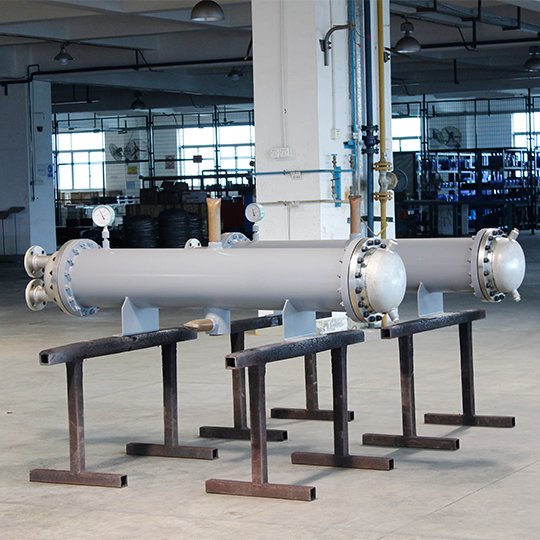
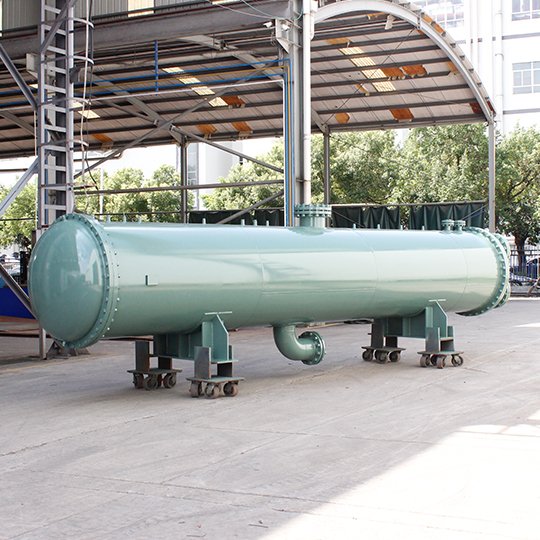
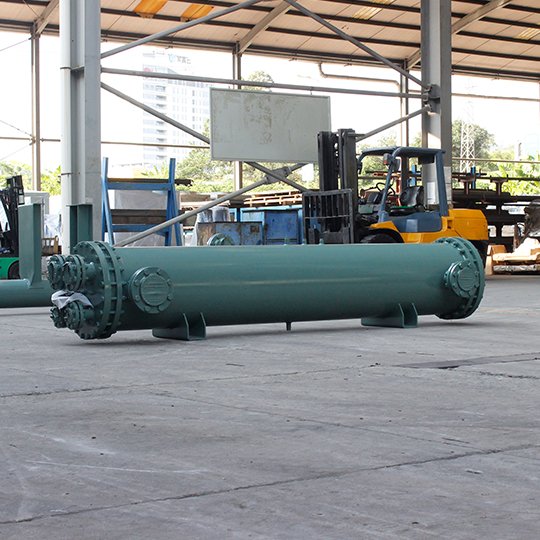
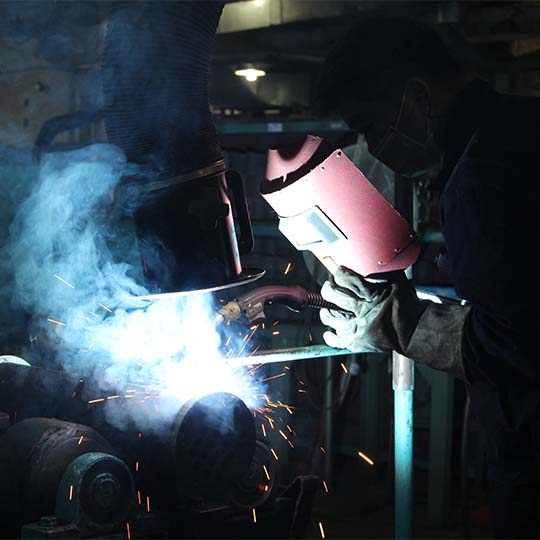
Why Choose UAR Shell and Tube Heat Exchanger
Over 30 Years Shell and Tube Heat Exchanger Expertise
Manufacturers Holding A Pressure Vessel License
Shell and Tube Heat Exchanger OEM & ODM Service
Shell and Tube Heat Exchanger Exported To 50+ Countries
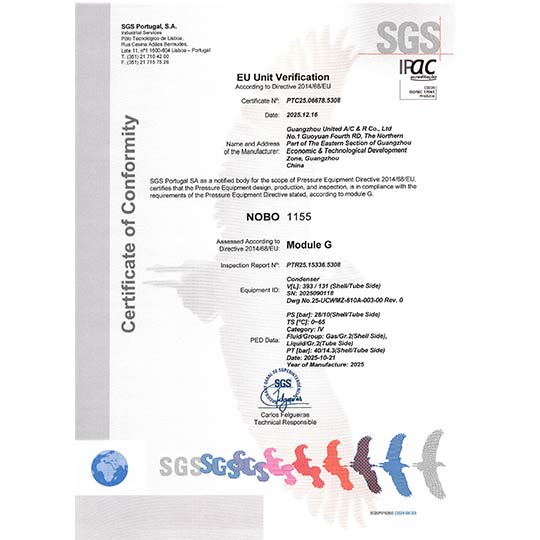
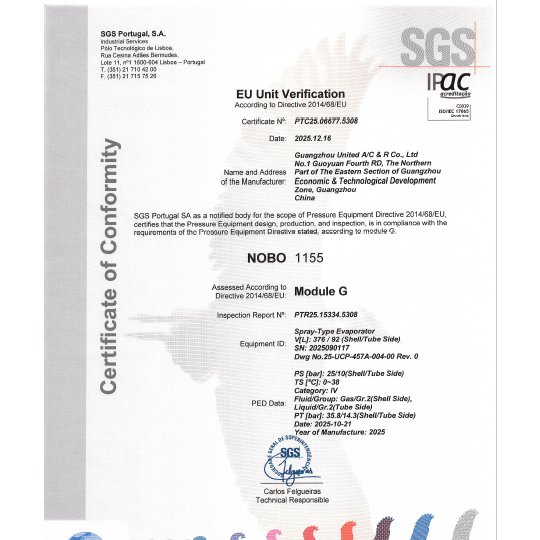
Supports International Certifications (ASME, PED, CE)
Case of Marine Titanium Shell and Tube Heat Exchanger Projects
For All Your Shell and Tube Heat Exchanger Solutions, Think UAR
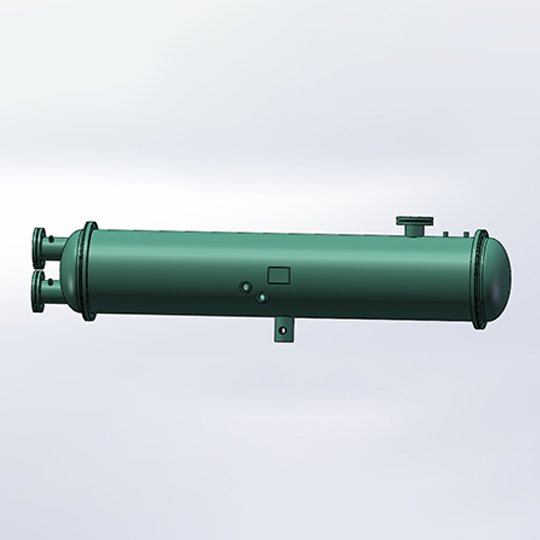
Shell and tube evaporators are suitable for air conditioning and industrial refrigeration systems. We have many years of research and extensive production experience in shell and tube evaporators. Our professional team can provide you with one-on-one calculations and selection of shell and tube heat exchangers, delivering highly efficient and energy-saving products. We also offer customization services, including material, color, and size options, to meet your specific requirements.
Types of Shell and Tube Heat Exchangers
UAR offers a wide range of shell and tube heat exchangers, enabling the rapid selection of the right model for your project.
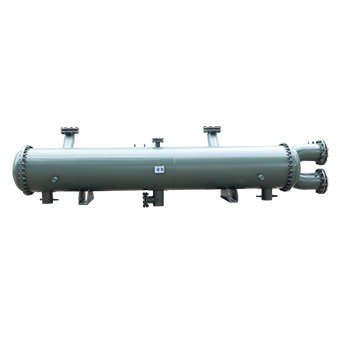
High-efficiency condensation for chillers, heat pumps, and refrigeration systems.
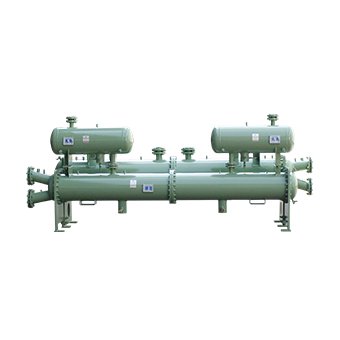
Used for the evaporative heat transfer process in refrigeration systems
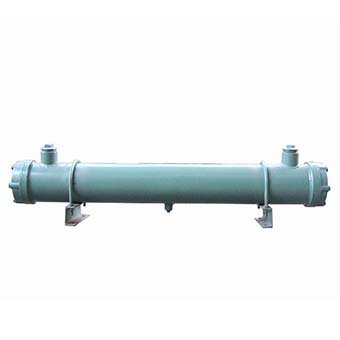
Achieve efficient heat exchange between two water streams.
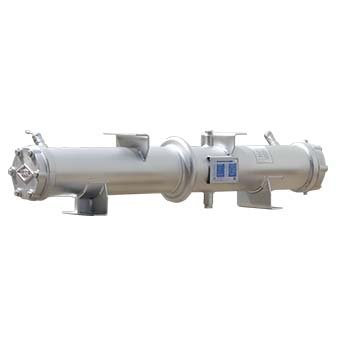
Water is used as the cooling medium to provide efficient cooling.
Shell and Tube Heat Exchangers by Tube Materials
UAR offers shell and tube heat exchangers made from various materials to suit different operating conditions.
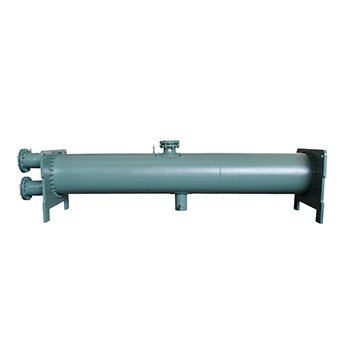
Supports customization of stainless steel grades such as 304, 316, and 316L.
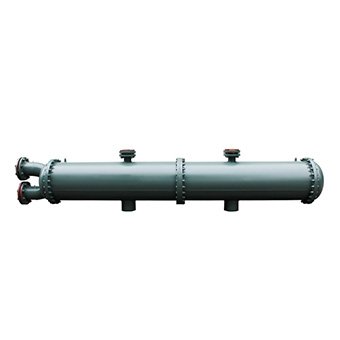
Offers excellent value and is suitable for most industrial refrigeration applications.
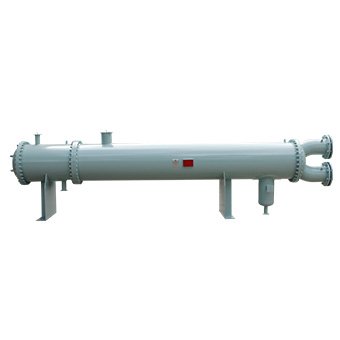
It possesses exceptional resistance to seawater corrosion and high pressure.
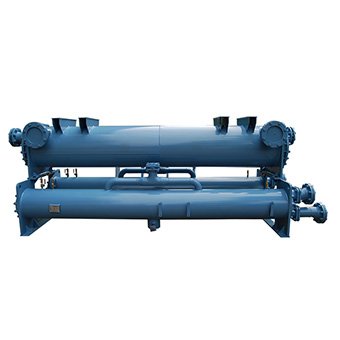
It is an ideal choice for marine environment heat exchange systems.
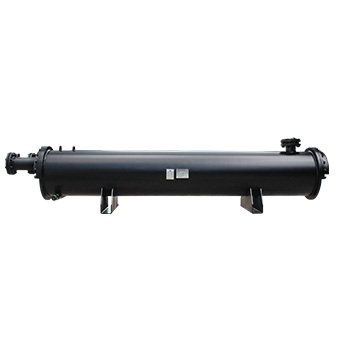
Suitable for corrosive operating environments requiring high strength.
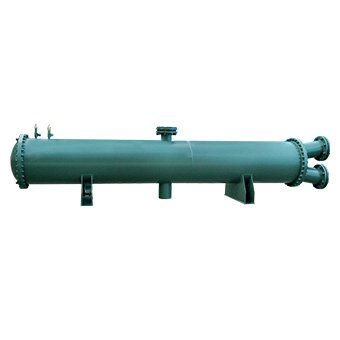
Suitable for standard operating conditions. High cost performance.
Shell and Tube Heat Exchangers by Shell Materials
The shell of a shell and tube heat exchanger primarily bears pressure and provides structural support. If your project requires a custom-designed shell, UAR can also provide design and manufacturing services.
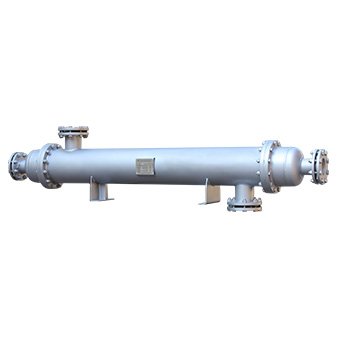
The top choice for cost-effective corrosion resistance; effectively extends equipment service life.
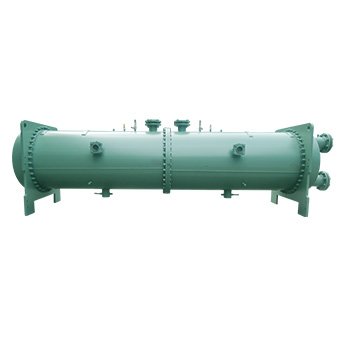
Commonly used materials that offer a competitive cost advantage while meeting heat transfer requirements.
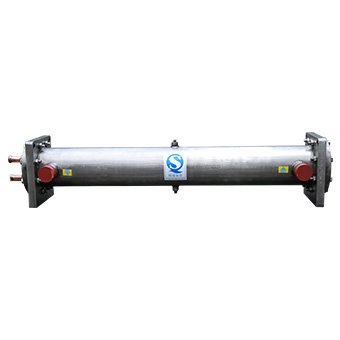
Features exceptional corrosion and high-pressure resistance, ensuring long-term stable operation.
Shell and Tube Heat Exchangers by Refrigerants
UAR shell-and-tube heat exchangers are compatible with a wide range of refrigerants. The UAR team provides optimized designs tailored to the specific pressure, temperature, and heat transfer requirements of your chosen refrigerant.
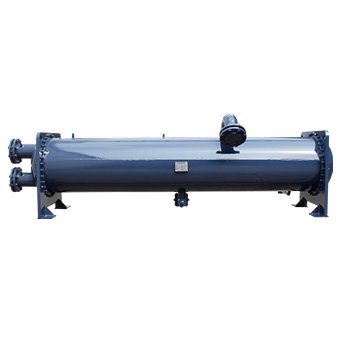
Commonly used in chiller units and commercial refrigeration systems.
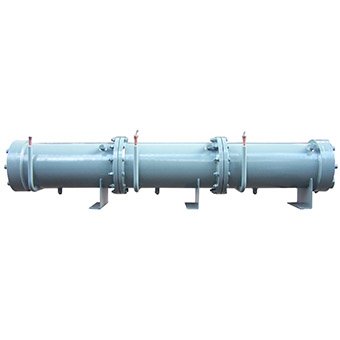
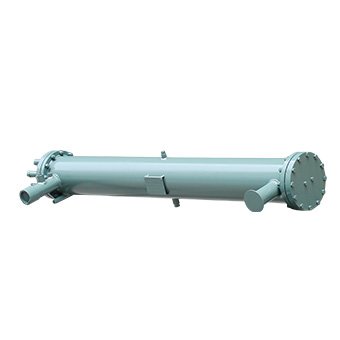
Widely used in the fields of central air conditioning and industrial refrigeration.
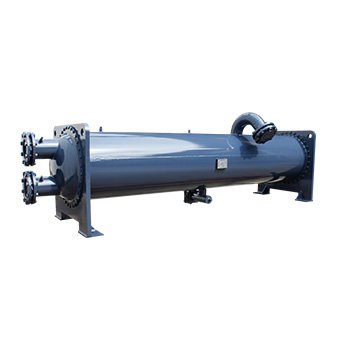
It meets high environmental standards and is suitable for countries with strict environmental requirements.
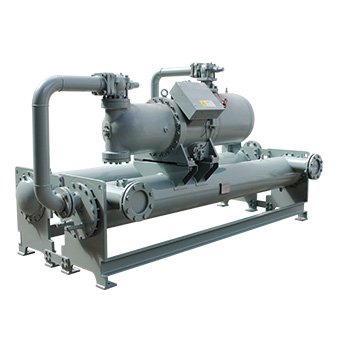
Shell and tube heat exchanger for next-generation eco-friendly R1234yf refrigerant systems.
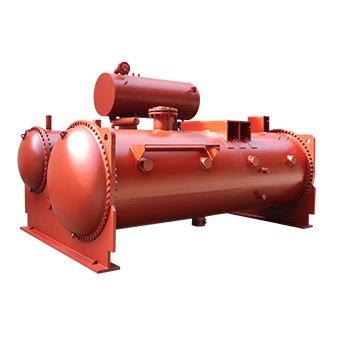
Suitable for industrial waste heat power generation, high-temperature heat pump, and energy recovery projects.
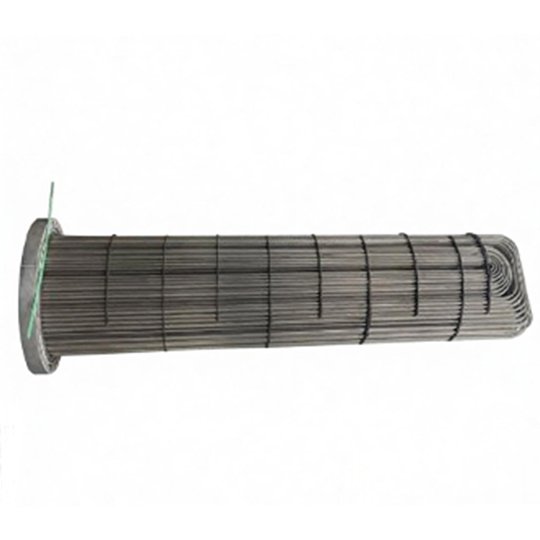
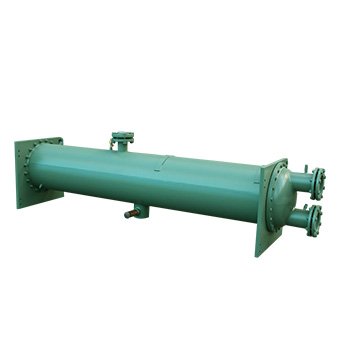
Types of Shell and Tube Heat Exchangers
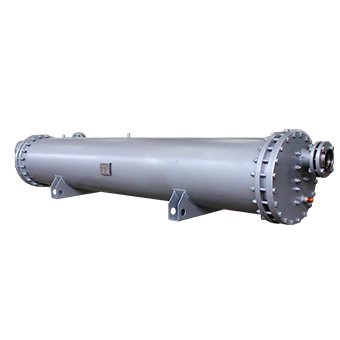
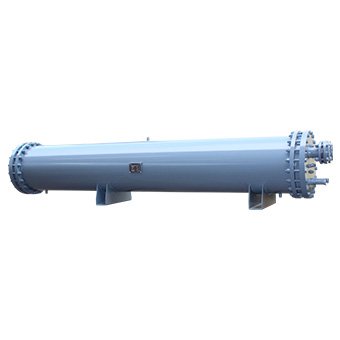
Looking for shell and tube heat exchangers? Think UAR Shell and Tube Heat Exchangers. We support both standardized and customized shell and tube heat exchangers. With years of design and manufacturing experience, we can provide you with efficient solutions.
Shell and Tube Heat Exchangers by Applications
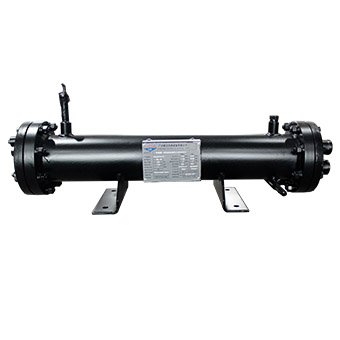
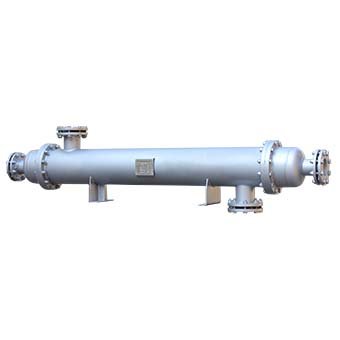
UAR shell and tube heat exchangers are designed for a wide range of applications across multiple industries. They are suitable for HVAC systems, chemical processing, food production, pharmaceuticals, and industrial processes.
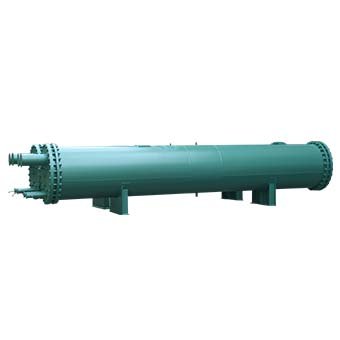
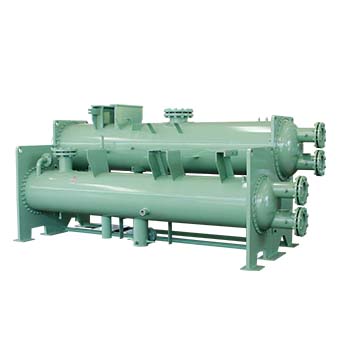
Features of UAR Shell and Tube Heat Exchanger
Customized Shell and Tube Heat Exchanger Solutions, Worthy of Your Trust

Based on the specific requirements of your project, we design the internal structure of shell-and-tube heat exchangers to provide you with highly efficient heat exchange equipment.

Made of high-quality materials such as copper, stainless steel, and titanium, ensuring a long service life and excellent corrosion resistance in harsh environments.

UAR shell and tube heat exchangers employ a reliable sealing structure design to effectively prevent leaks.

UAR shell and tube heat exchangers have a full range of applications, suitable for HVAC, chemical, food, pharmaceutical, and industrial processes, among others.
Customized to Suit Your Process
UAR shell and tube heat exchangers support customization of capacity, size, materials, color, and internal design. These products integrate seamlessly with your entire system, providing efficient, energy-saving, and stable operation, helping to improve overall productivity while reducing energy consumption and costs in the long run.
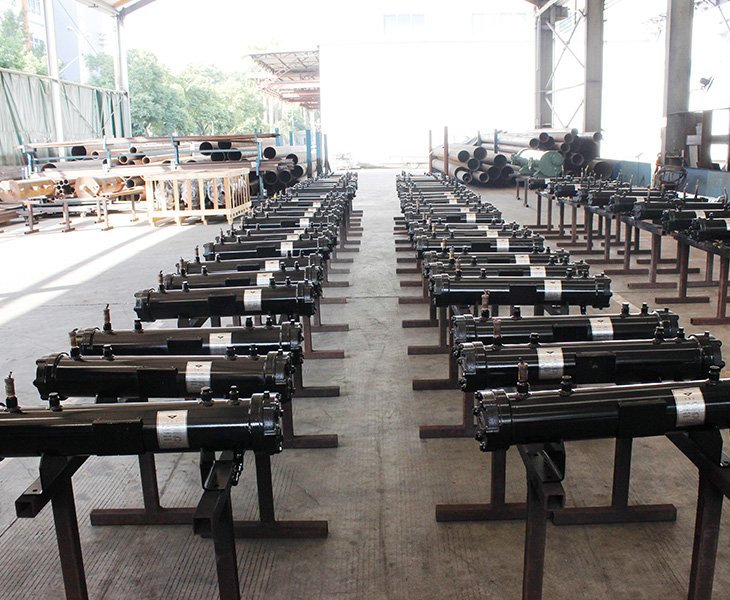
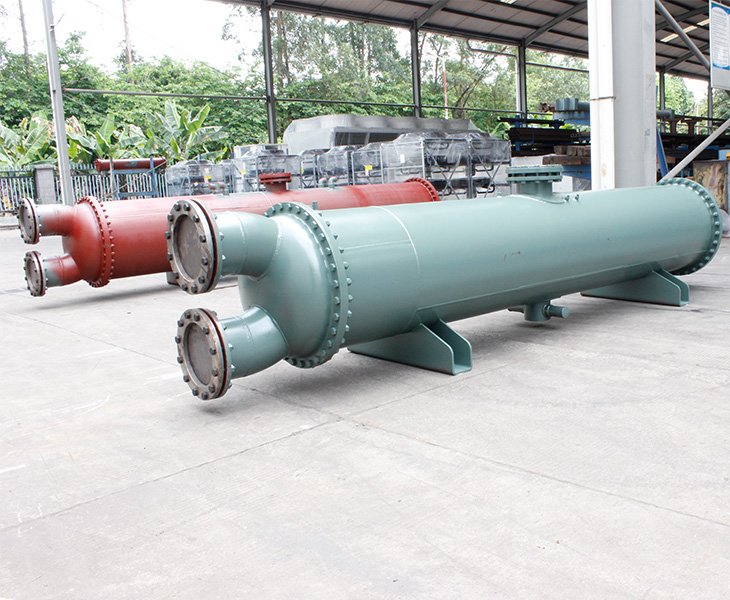
Manufacturing Certified Shell and Tube Heat Exchangers
From raw material selection to final production, our shell and tube heat exchangers can be supplied in compliance with ASME, GB, PED, and other certifications.
Wide Range of Industrial Applications
- HVAC Systems: Temperature stabilization and energy efficiency for commercial and industrial buildings.
- Chemical Processing: Designed to handle corrosive fluids and high-pressure environments.
- Refrigeration Systems: Widely applied in industrial refrigeration for condensers and evaporators.
- Marine Cooling: Suitable for seawater and onboard cooling systems.
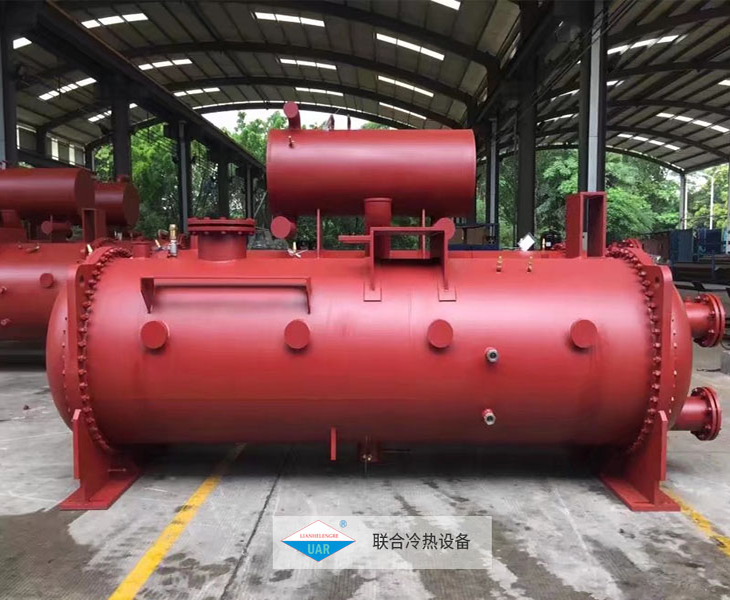
Resource

Having obtained CE and ASME certifications, and passed inspection by the quality control authority.
Project reference of pressure vessels and heat exchangers for seafood collection ships.
Explore engineering projects worldwide and showcase high-efficiency solutions across various industries.
Profession Shell and Tube Heat Exchanger Manufacturer in China
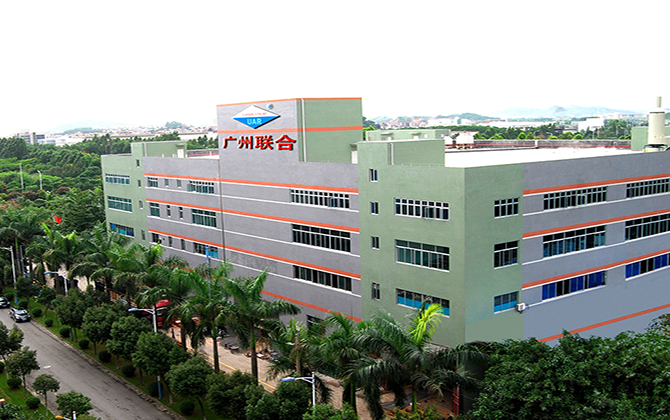
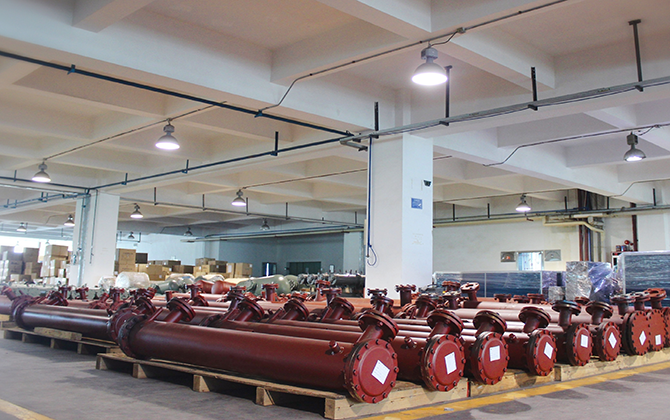
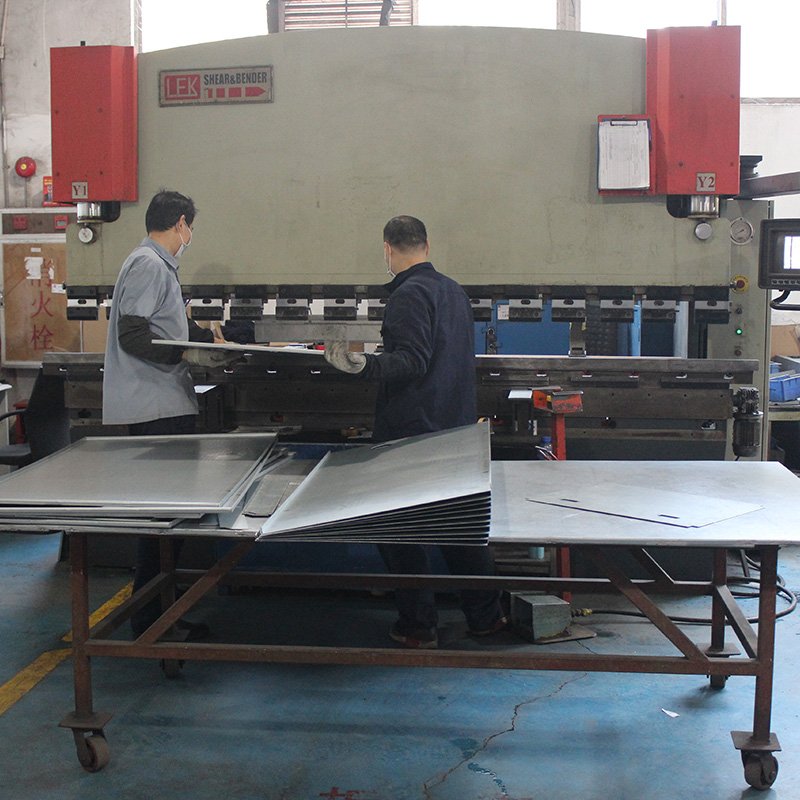
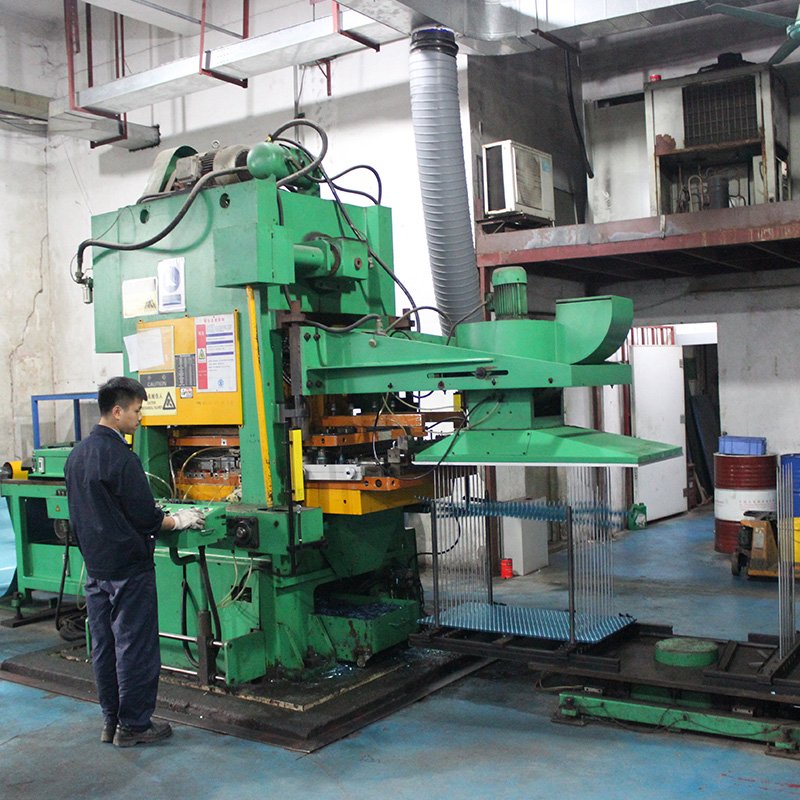
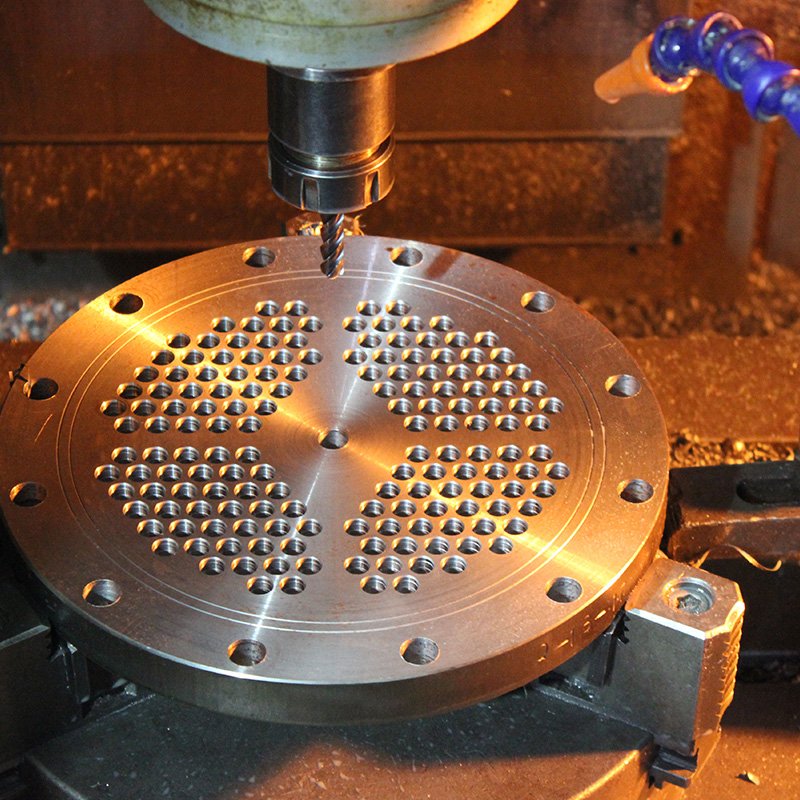
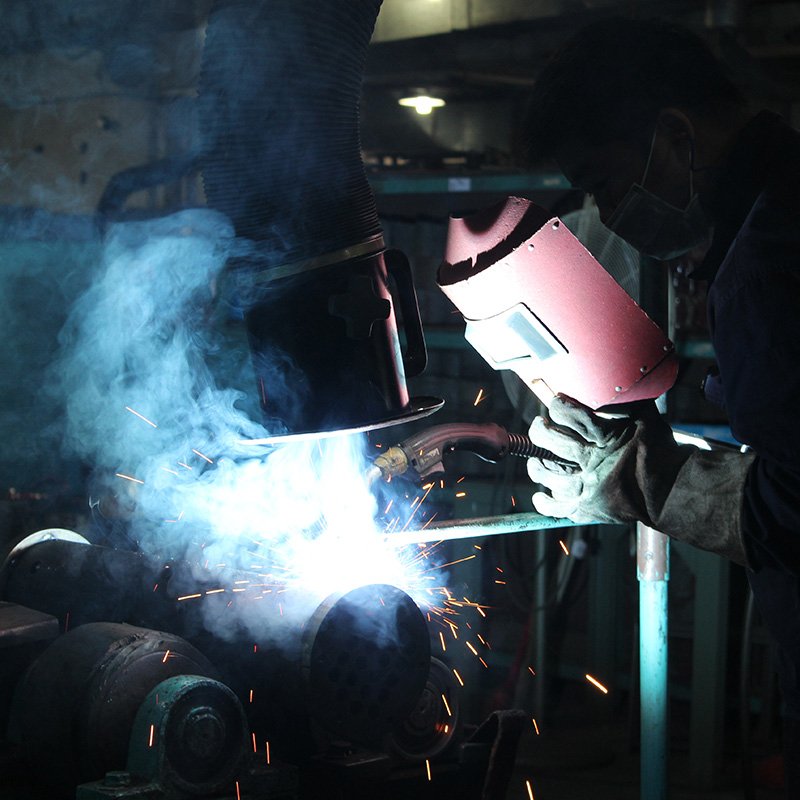
UAR shell and tube heat exchanger has over 30 years of experience. We are equipped with advanced production and testing equipment, as well as an experienced production team, to provide you with stable and reliable shell-and-tube heat exchangers.
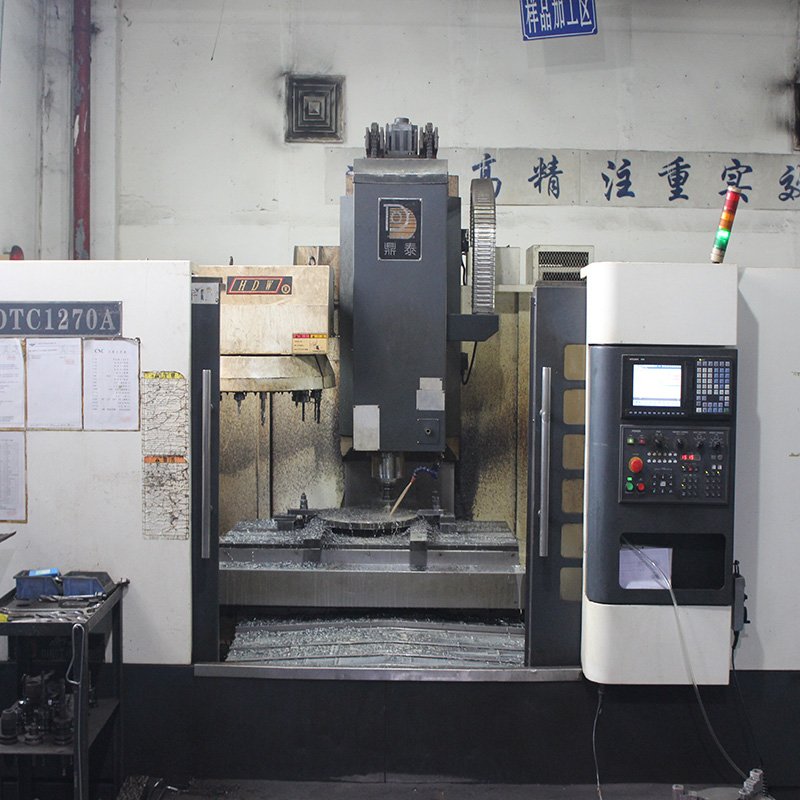
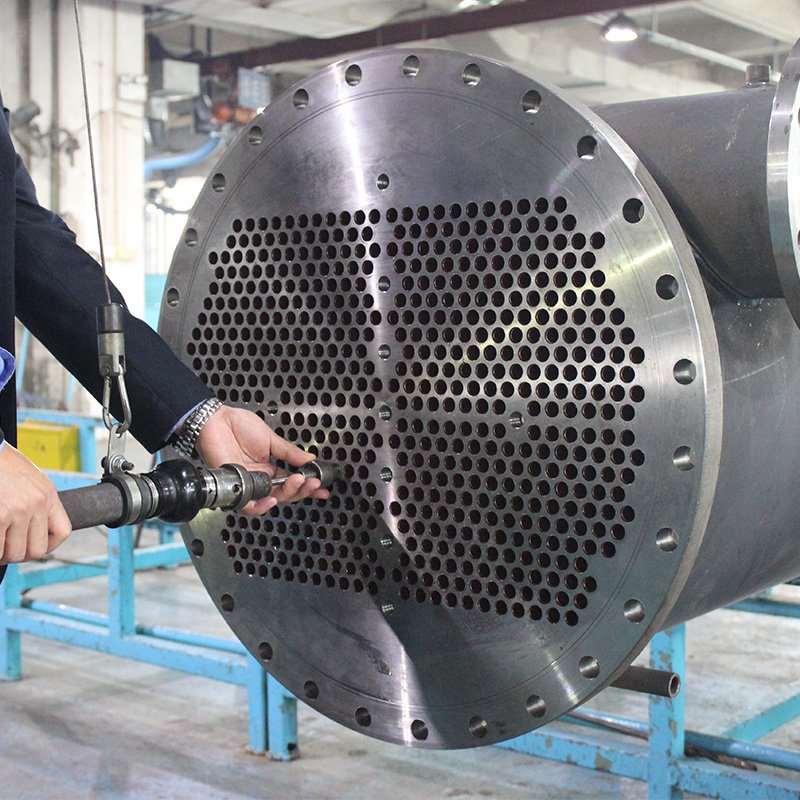
UAR shell and tube heat exchangers can provide you with ASME, PED, GB, and other certificates.
Applications for Shell and Tube Heat Exchanger
Thanks to their diverse designs and extensive product specifications, UAR’s shell and tube heat exchangers are widely used in industrial and HVAC applications. Achieve stable and efficient heat exchange under various operating conditions.
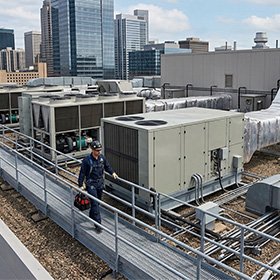
Shell and tube heat exchangers are widely used in central air conditioning and HVAC systems for commercial buildings—such as water-cooled chillers, heat pump systems, district cooling systems, and commercial central air conditioning systems—to provide reliable cooling and heating solutions.
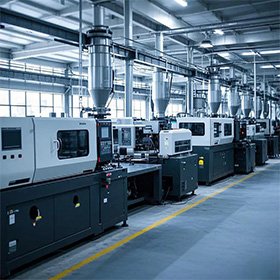
In industrial systems, shell and tube heat exchangers are widely used for applications such as chemical process cooling, waste heat recovery in power systems, industrial equipment cooling (e.g., hydraulic oil, lubricating oil), and temperature control in manufacturing processes. UAR shell and tube heat exchangers are designed to withstand high temperatures, high pressures, and continuous operation, serving as critical heat exchange equipment in industrial production systems.
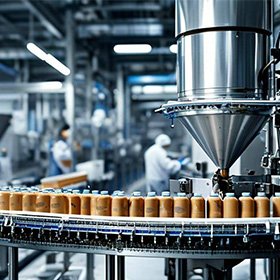
UAR shell and tube heat exchangers are widely used for heating, cooling, and process temperature control in food and beverage processing. The food and beverage industry demands high standards of hygiene and stable production processes. UAR possesses extensive experience and a strong track record in applications such as milk and dairy cooling and pasteurization, temperature control for fruit juice and beverage production, temperature control systems for beer and fermented liquids, heat recovery systems for food processing, and heat exchange for CIP (Clean-in-Place) systems.
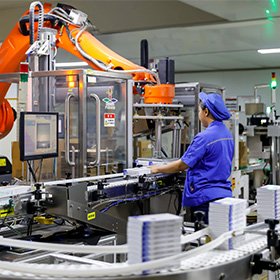
UAR shell and tube heat exchangers are designed for the pharmaceutical industry, which demands high-precision temperature control and strict adherence to sanitary standards in applications such as fermentation cooling, sterile water systems, active pharmaceutical ingredient (API) production, and temperature control systems for cleaning processes. Through customized design solutions, we provide heat exchangers that ensure a stable, reliable production environment while meeting the rigorous standards of pharmaceutical manufacturing.

Marine engines, seawater cooling systems, offshore platform cooling systems, and marine HVAC systems typically demand exceptional corrosion resistance from their equipment. To meet these operational requirements, UAR shell and tube heat exchangers utilize titanium or copper-nickel alloy tubing to withstand high-salinity environments. These custom-engineered heat exchangers ensure stable operation and effectively extend the equipment’s service life.
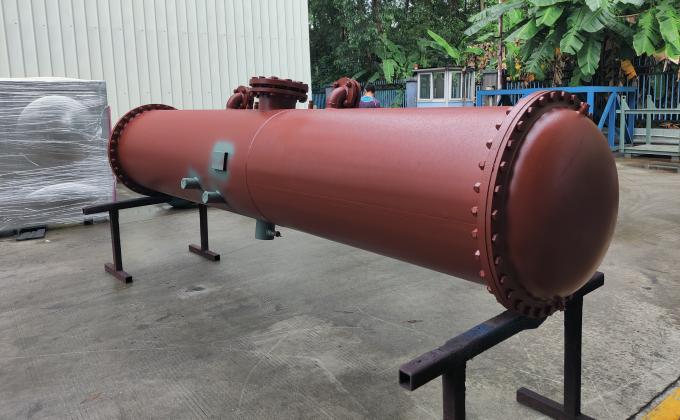
UAR shell and tube heat exchangers are widely used in various industries such as natural gas, chemical, petrochemical, pharmaceutical, food processing, and energy. We provide customized shell and tube heat exchanger solutions for different industries to help you achieve higher efficiency and energy savings.
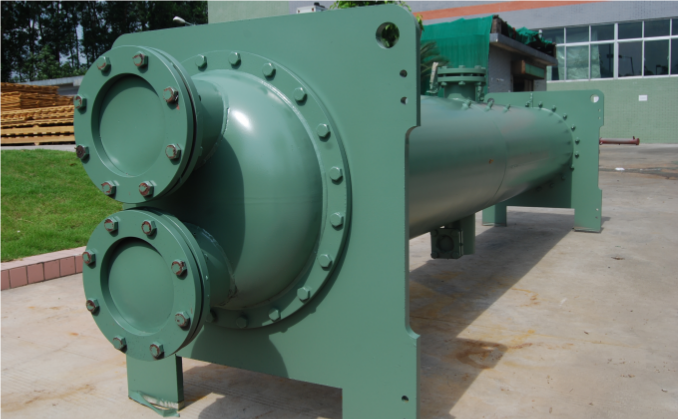
The lead time for shell and tube heat exchangers depends on the material delivery schedule, unit size, internal design, and manufacturing complexity. For urgent delivery requests, please consult our sales engineers. Additionally, we maintain stock of standard shell-and-tube heat exchangers for immediate availability.
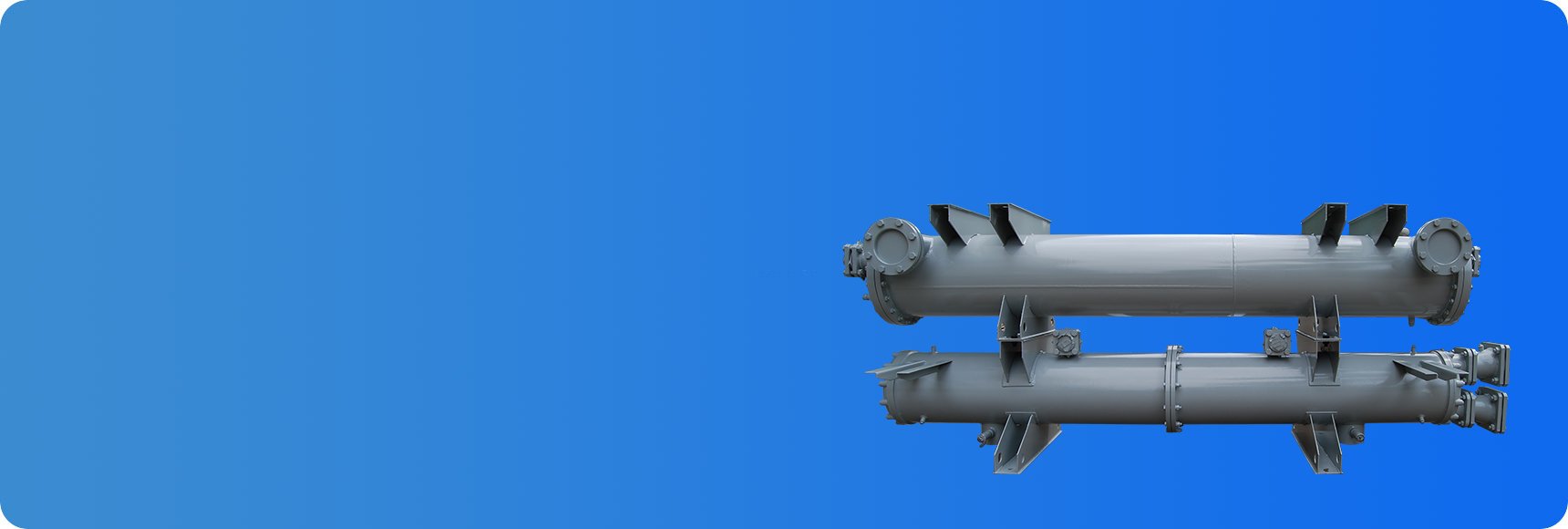
More About UAR Shell and Tube Heat Exchanger
Shell and tube heat exchanger manufacturers provide you with professional, stable, and durable equipment.
- Specifications
- Material Available
| Type | Shell and Tube Condenser, Shell and Tube Evaporator, Water to Water Heat Exchanger, Oil to Water Heat Exchanger |
| Capacity | 10kW-10000kW |
| Design Pressure | 0-10MPa |
| Design Temperature | -100℃-100℃ |
| Tube Material | Stainless Steel, Copper, Titanium, Nickel-copper, Aluminum Brass, Carbon Steel |
| Shell Material | Stainless Steel, Carbon Steel, Titanium |
| Refrigerant | R134a, R410a, R407c, R1234ze, R1234yf, R245fa |
| Size | Custom |
| Color | Custom |
| Stainless Steel Tube | HVAC, Food & Chemical |
| Copper Tube | General Industry, HVAC |
| Titanium Tube | Seawater, Marine |
| Nickel-copper Tube | Seawater, Marine |
| Aluminum Brass Tube | Industrial Cooling, Marine, Power Plant |
| Carbon Steel Tube | General Industry, Heat Recovery System |
Testimonials
We have consistently sourced shell-and-tube evaporators and condensers for multiple projects. The products offer stable performance, and the technical team is highly experienced, providing sound recommendations tailored to different refrigerants and application scenarios.
Chiller Manufacturer, South AmericaWe purchased custom stainless steel shell-and-tube heat exchangers for our food processing production line; the equipment operates reliably, and the heat transfer efficiency meets design specifications. The UAR team was highly responsive regarding model selection and technical support, helping us successfully complete the project installation.
Food Processing Company, ThailandThe project required compliance with rigorous pressure vessel standards and material specifications; UAR not only provided comprehensive technical documentation but also assisted in completing the certification process. The entire collaboration was satisfactory.
Engineering Procurement Company (EPC)
We can provide tubing in various materials, including copper, stainless steel, and titanium. The best solution depends on your specific project requirements; we can offer the most cost-effective and durable option.
Of course! We can design the size and internal structure of the shell and tube heat exchanger according to your existing space. Don’t worry, this ensures both equipment usability and heat exchange efficiency.
Some countries have regulations regarding refrigerants. Our team has extensive experience and can provide you with shell and tube heat exchanger solutions that use refrigerants that meet national environmental protection requirements.
To provide you with accurate and efficient shell-and-tube heat exchangers, our sales engineers will need your information and parameters. You may not have all the required information, but that’s okay. Often, we can complete the design process using partially completed design sheets.
UAR shell and tube heat exchangers are custom-designed for critical applications in the oil and gas, petrochemical, chemical processing, and power generation industries. We also have a considerable number of case studies; contact us to view relevant examples for your industry.
When selecting a shell-and-tube heat exchanger, various factors must be comprehensively considered, including the heat transfer media, flow rates, operating temperatures, design pressure, heat transfer capacity, and installation environment. Once detailed operating parameters are provided, our engineers can recommend the most suitable heat exchanger model and configuration for your needs.
The capacity of a shell-and-tube heat exchanger is typically calculated based on fluid flow rates, temperature changes, and medium properties. To ensure accurate selection, we recommend providing parameters such as the medium type, inlet and outlet temperatures, flow rate, and operating pressure so that professional engineers can perform the calculations and equipment selection. Alternatively, we offer selection software that allows you to make the selection yourself.
When operating in seawater, the choice of heat exchanger material is critical due to high salinity and strong corrosivity. Generally speaking, there is no single “best” material; the most suitable solution is selected based on cost, service life requirements, and the severity of operating conditions.
Titanium tubing offers superior performance, while copper-nickel alloys provide better cost-effectiveness; stainless steel is suitable for mild or controlled seawater environments. Selecting the most appropriate material—based on a comprehensive assessment of your project budget and operating conditions—constitutes the optimal heat exchanger solution.
What is a shell and tube heat exchanger?
Shell and tube heat exchangers are highly efficient heat transfer devices widely used in industries such as refrigeration, HVAC, chemical processing, food processing, pharmaceuticals, and marine engineering.
These exchangers primarily consist of an outer shell and multiple heat transfer tubes. Two fluids at different temperatures flow through the shell side and the tube side, respectively, exchanging heat across the tube walls. Shell and tube heat exchangers can perform functions such as cooling, heating, condensing, or evaporating, while ensuring safe and stable system operation.
Depending on specific application requirements, they can be designed as condensers, evaporators, oil coolers, and more. Materials such as copper, stainless steel, cupronickel, and titanium tubing can be selected, and the number, flow velocity, and arrangement of the internal heat transfer tubes can be optimized.
Compared to other types of heat exchangers, shell and tube models offer a high degree of customizability, effectively meeting diverse user requirements regarding media and operating conditions.
How does a shell and tube heat exchanger work?
The operating principle of a shell and tube heat exchanger involves the efficient transfer of heat between two fluids at different temperatures—without direct contact—to achieve temperature control and energy utilization.
One fluid flows inside the heat exchange tubes (tube side), while the other flows in the space between the shell and the tubes (shell side). Heat is transferred from the high-temperature fluid to the low-temperature fluid through the tube walls. The two media remain separated at all times and do not mix directly. This type of heat exchanger ensures both efficient heat transfer and safe system operation.
What is the difference between a fixed tube sheet and a U tube heat exchanger?
Fixed-tubesheet and U-tube designs are the two most common structural configurations for shell-and-tube heat exchangers. They differ in their tube bundle construction and the methods used to accommodate thermal expansion.
In a fixed-tubesheet heat exchanger, both ends of the heat transfer tubes are secured to the tubesheets. In contrast, U-tube heat exchangers feature tubes bent into a U-shape, with one end fixed and the other free to expand or contract. Due to these differing internal designs, each type offers distinct performance advantages: fixed-tubesheet exchangers are suitable for standard industrial cooling and HVAC systems, whereas U-tube exchangers are better suited for applications involving large temperature differences or high operating temperatures.
Fixed-tubesheet exchangers are more economical and feature a simpler design, while U-tube exchangers are better adapted to large temperature differentials and more demanding industrial environments.