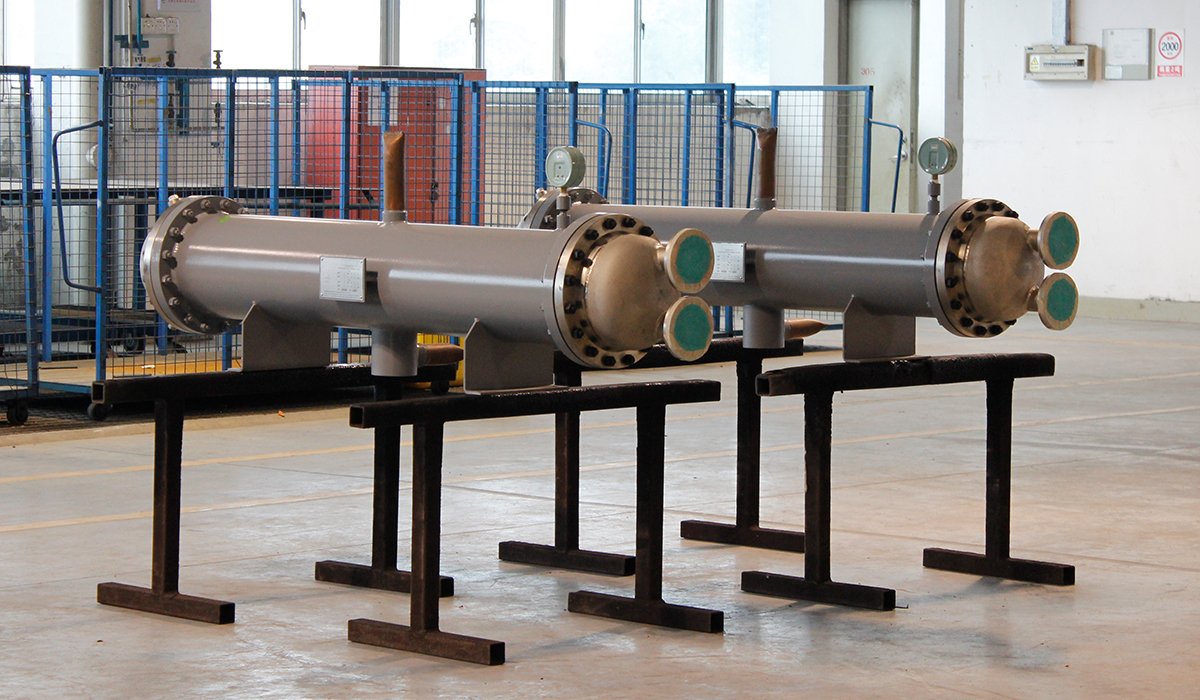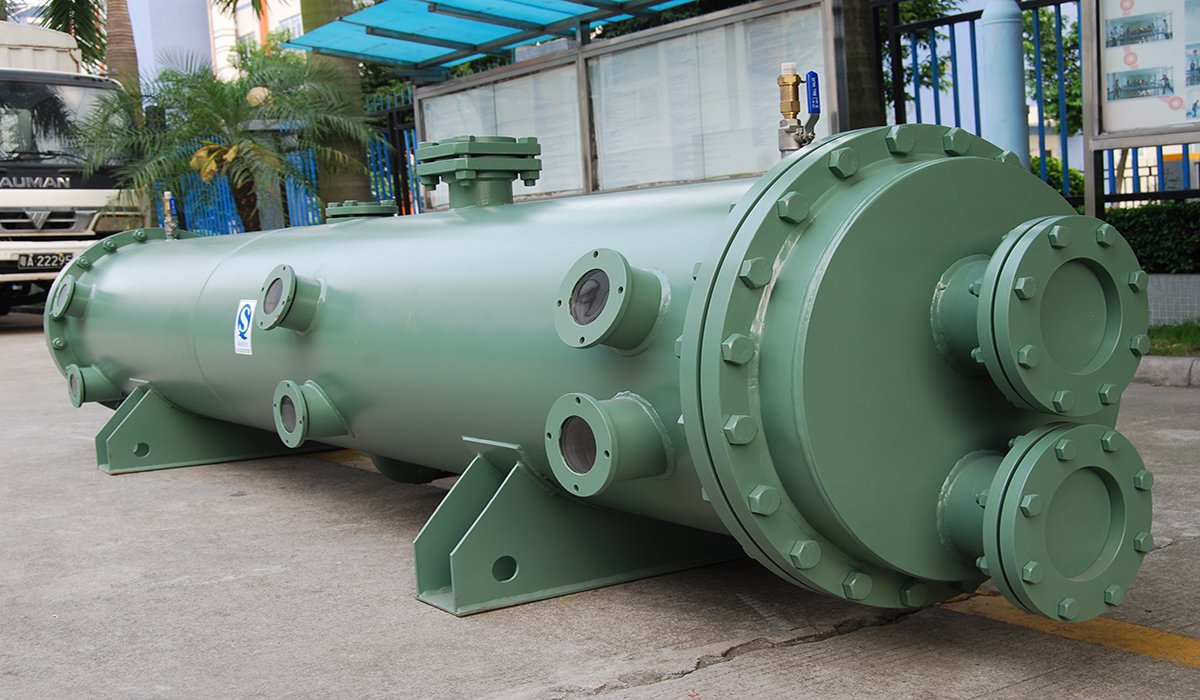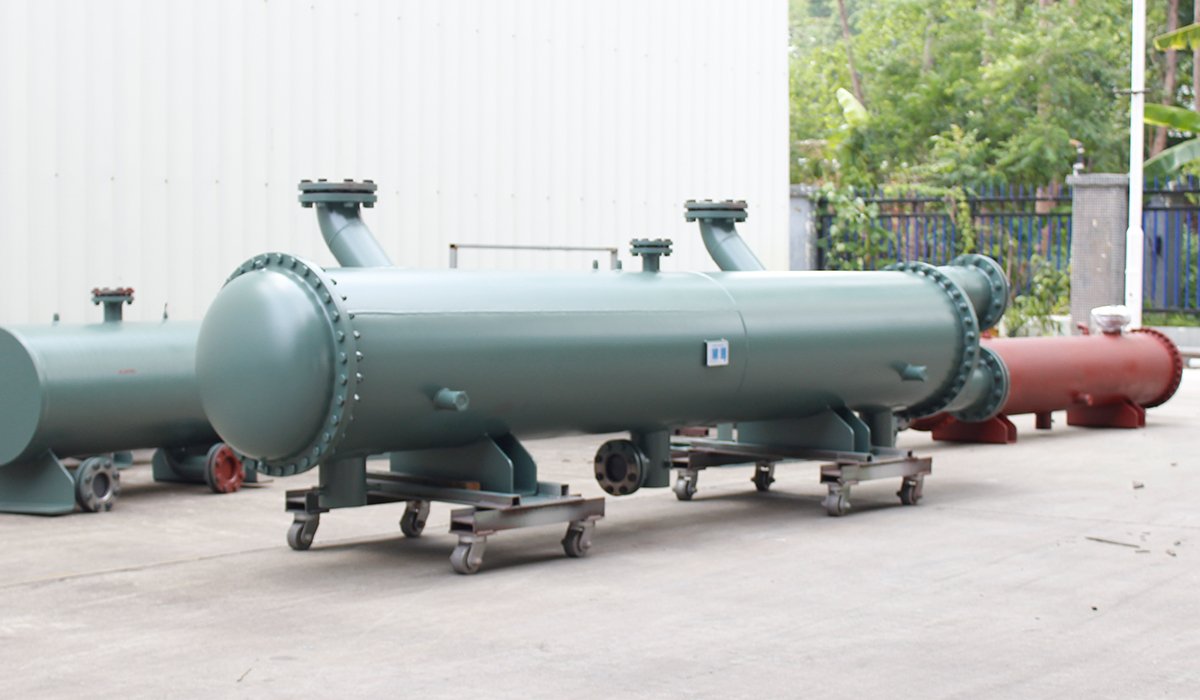
304 or 316L stainless steel? Copper or titanium? You don’t know how to choose, and the most expensive is not necessarily the best. By selecting suitable materials, shell and tube heat exchangers can simultaneously balance heat transfer performance, corrosion resistance, cost, and ease of future maintenance.
Shell and tube heat exchangers have a service life of up to several decades. This article aims to help you understand how to choose the right materials for shell and tube heat exchangers.
What Materials Are Commonly Used in Shell and Tube Heat Exchangers?
The working conditions we encounter are different in different industries, different projects, and even different countries. Choosing unsuitable materials may lead to problems such as corrosion, pipe leaks, decreased heat transfer performance, frequent maintenance, and premature equipment replacement. This will not only increase your costs, but also delay the project’s progress.
Carbon steel, 304 stainless steel, 316 stainless steel, copper, copper alloys, titanium, duplex stainless steel, and nickel alloys are all common materials we see.
Carbon Steel
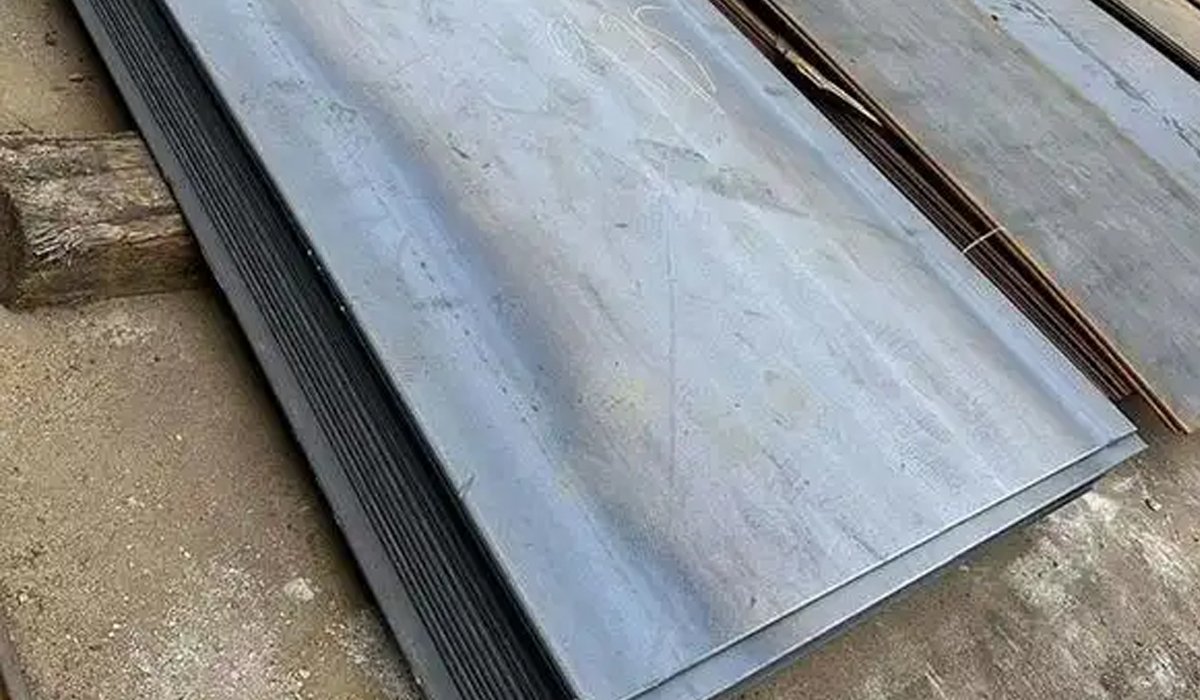
Carbon steel is characterized by high strength, easy processing, good welding performance, and low cost. Its thermal conductivity is lower than copper, making it less attractive when maximum heat transfer performance is the primary consideration.
The biggest advantage of carbon steel is not its heat exchange performance, but its ability to withstand the pressure and mechanical stress during the operation of the heat exchanger and its low cost. If your project has a limited budget, carbon steel is a cost-effective choice.
304 Stainless Steel
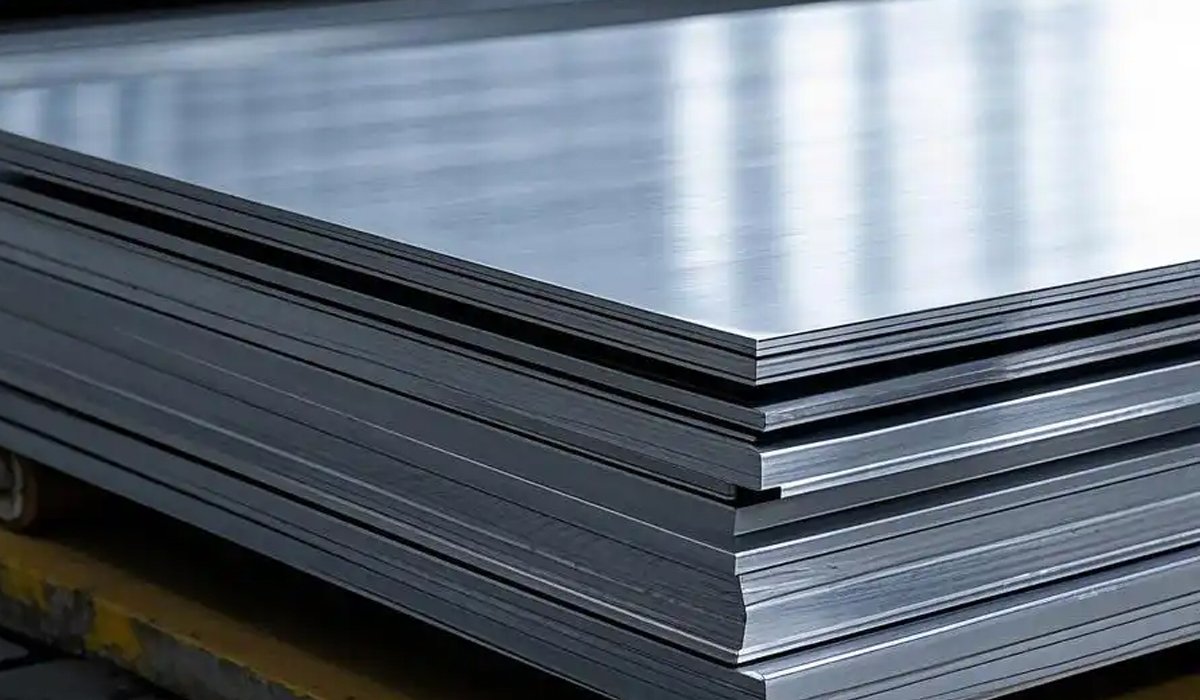
304 stainless steel is one of the materials we commonly use. 304 stainless steel offers good machinability and weldability, and is relatively low in cost. More importantly, 304 stainless steel possesses good corrosion resistance, though its resistance to chloride ions is limited. If you choose 304 stainless steel for an application in a chloride-containing environment, it is highly likely to affect the progress of your project.
316/316L Stainless Steel
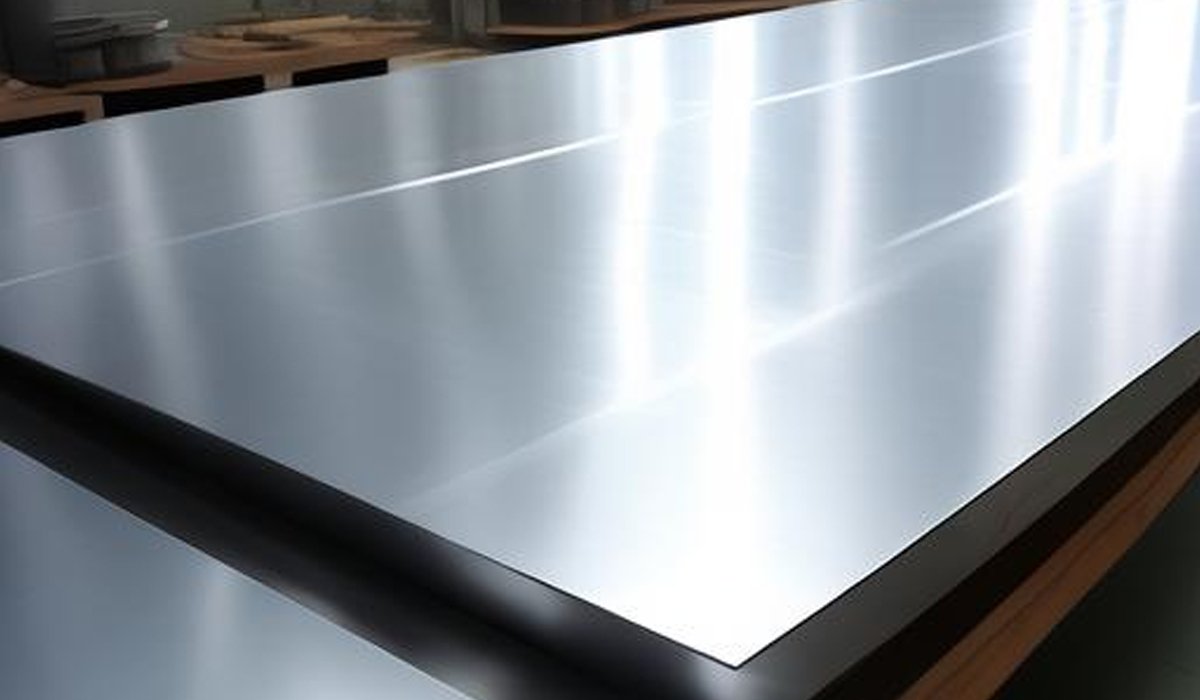
Compared to 304 stainless steel, the key element in 316 stainless steel is molybdenum. This gives 316 stainless steel superior resistance to chloride ions, pitting, and crevice corrosion. Therefore, in many cases, 316 stainless steel offers superior corrosion resistance.
The “L” in 316L stainless steel stands for “low carbon.” One of the primary advantages of low carbon content is its suitability for welded structures, thereby reducing the risk of welding-related intergranular corrosion.
Therefore, different welding and manufacturing methods, as well as application environments, influence the choice between 316 and 316L stainless steel. If your project involves an environment containing chloride ions, 316/316L stainless steel is an excellent choice.
Copper
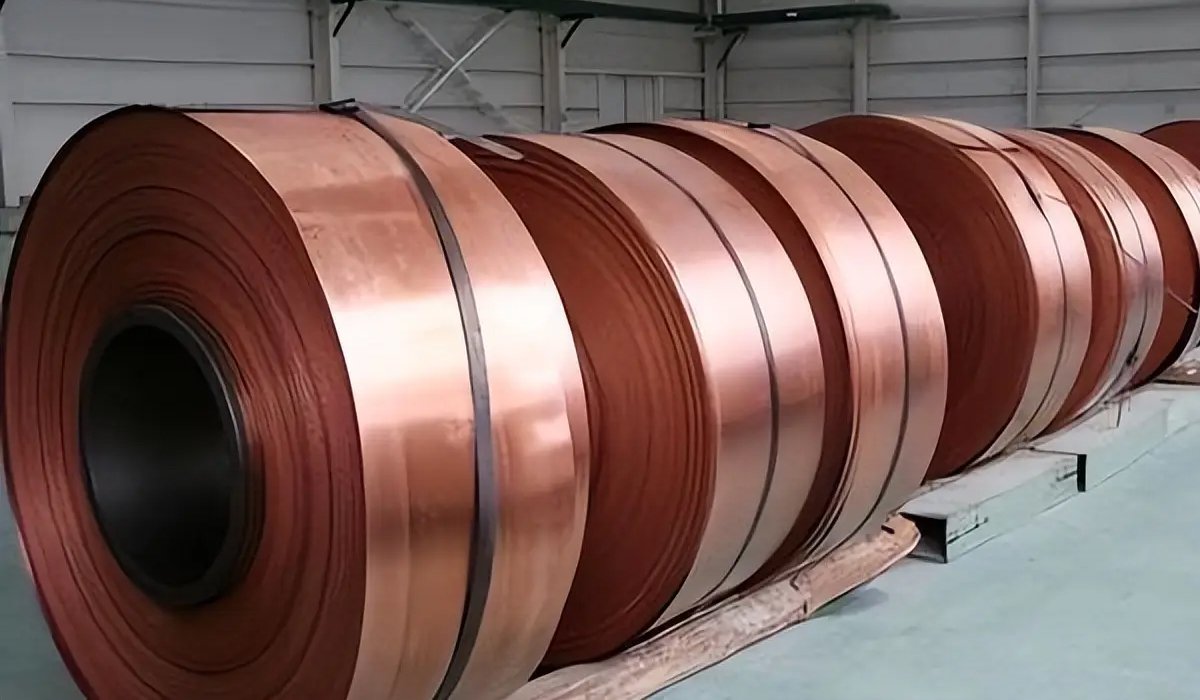
Copper has excellent thermal conductivity, but it also carries a high risk of corrosion in certain water qualities or chemical environments. If your project’s operating environment poses no risk of corrosion, then copper is an excellent choice; it delivers the required heat transfer performance while offering high cost-effectiveness.
Copper Alloys
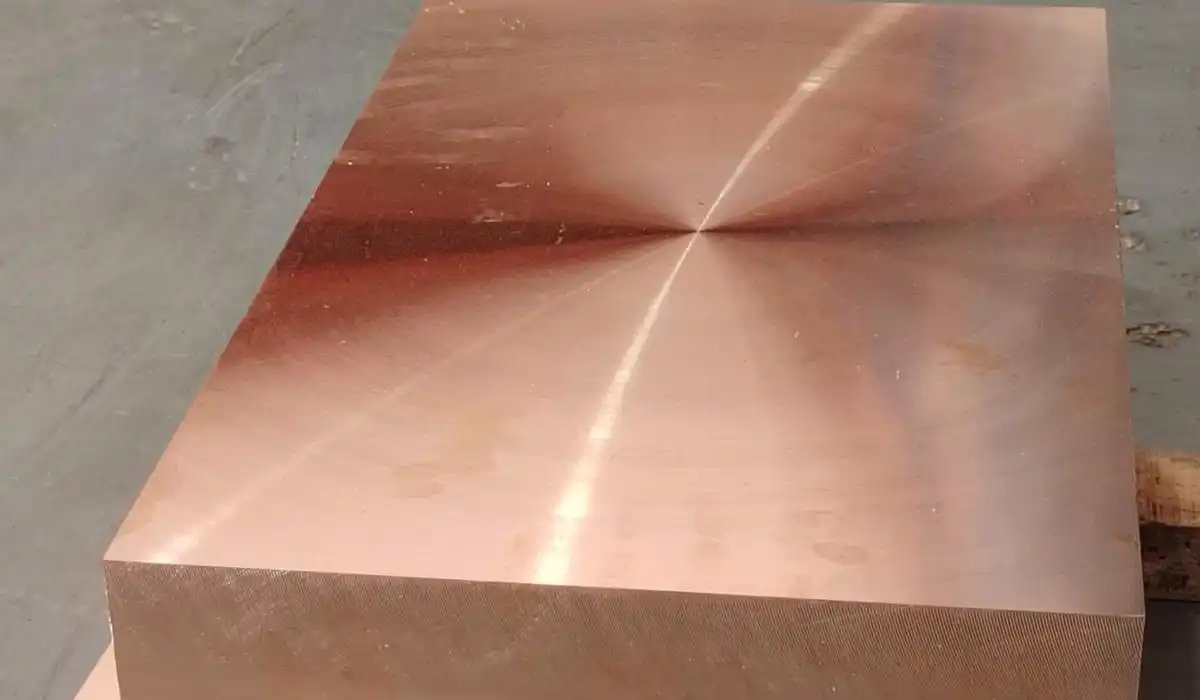
If you need a material that offers good thermal conductivity and corrosion resistance while also meeting mechanical performance requirements, then copper alloys are an excellent choice.
Titanium
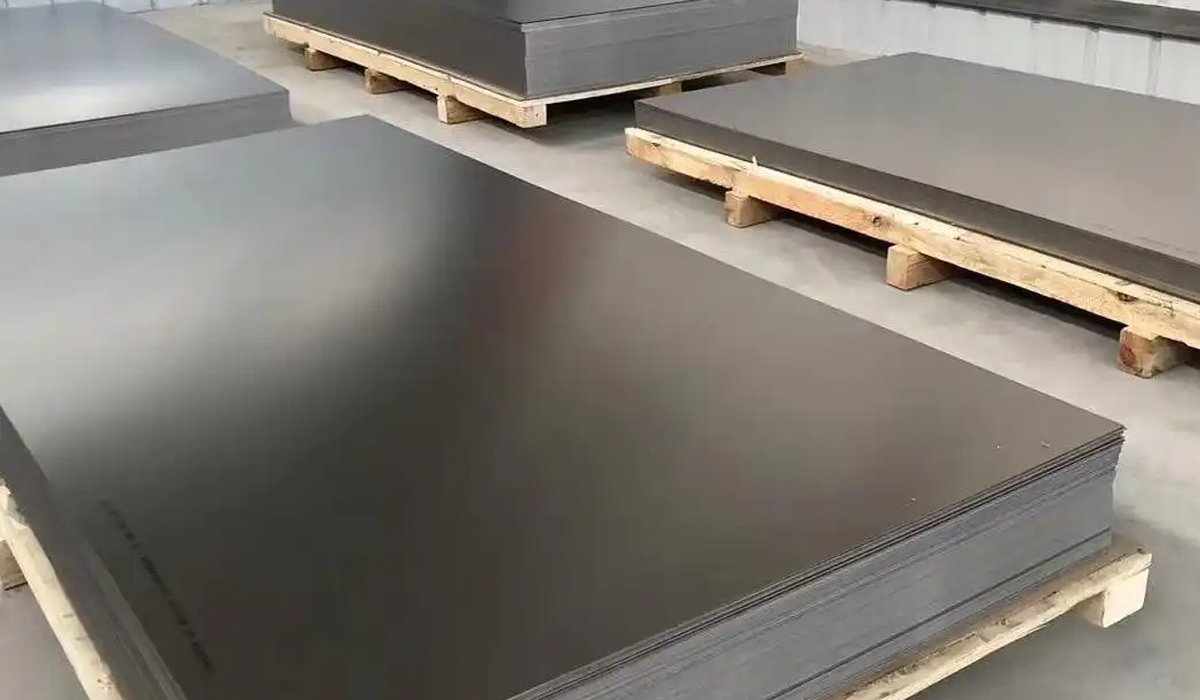
Titanium’s most outstanding characteristic is its excellent corrosion resistance. Conversely, its drawback is its very high cost. If the risk of corrosion is high, it is strongly recommended that you choose titanium shell and tube exchanger; otherwise, your project process could easily be affected.
Duplex Stainless Steel
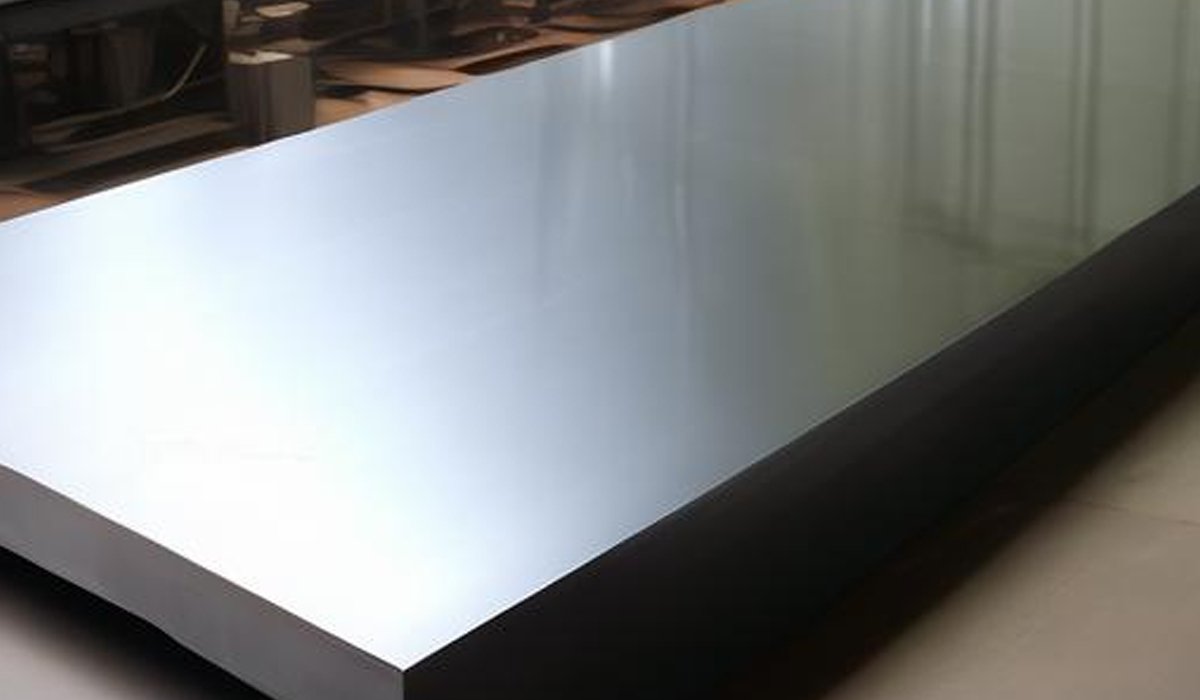
Duplex stainless steel is characterized by high strength and good corrosion resistance. It strikes an excellent balance between strength, corrosion resistance, and cost.
Nickel Alloys
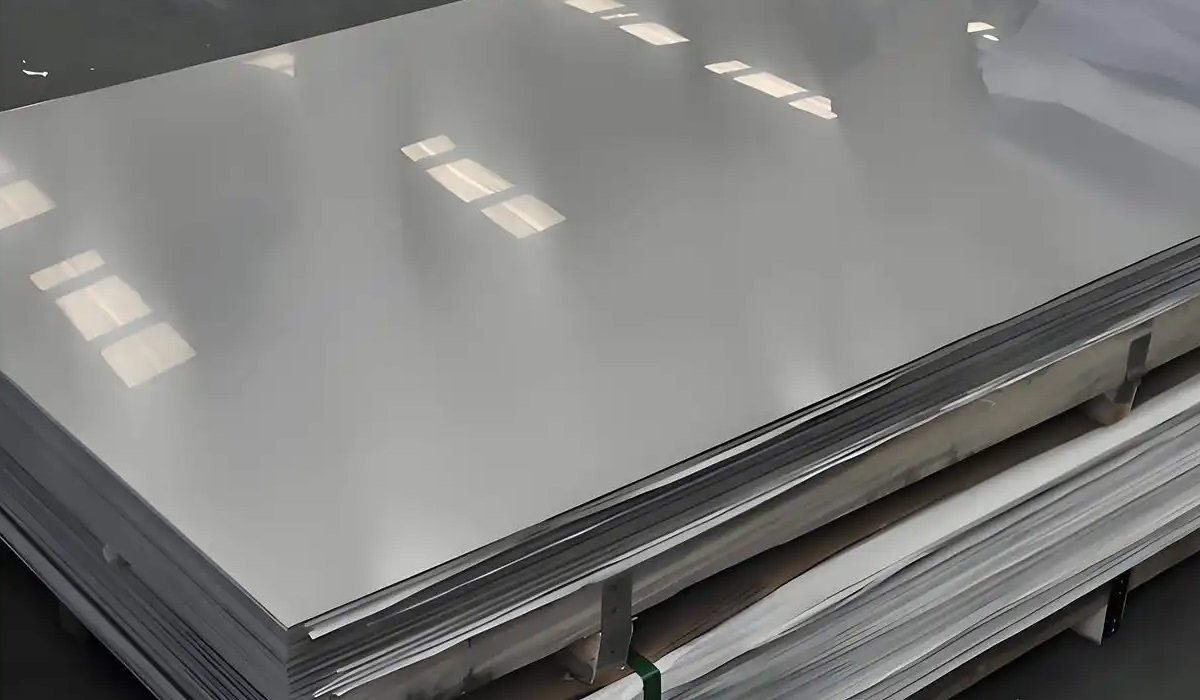
Nickel alloys offer high-temperature and corrosion resistance, making them suitable for more demanding environments; however, they are generally not the first choice for standard HVAC shell and tub heat exchangers.
| Material | Corrosion Resistance | Heat Transfer | Advantages | Disadvantages | Typical Applications |
| Carbon Steel | Medium | Medium | High strength and low cost | Lower corrosion resistance | Industrial water, oil |
| 304 SS | Good | Medium | Good corrosion resistance and cost-effectiveness | Lower chloride resistance | General industrial applications |
| 316/316L SS | Very Good | Medium | Better chloride and corrosion resistance | Higher cost than 304 SS | Chemicals, food, water |
| Copper | Good | Excellent | Excellent thermal conductivity | Not suitable for all fluids and water qualities | HVACR, water |
| Copper Alloys | Excellent in specific conditions | Excellent | Good seawater corrosion resistance | Higher cost than copper | Marine, seawater |
| Titanium | Excellent | Good | Excellent corrosion resistance and long service life | High material cost | Seawater, desalination |
| Duplex SS | Excellent | Good | High strength and excellent corrosion resistance | Higher cost and more complex fabrication | High-corrosion applications |
| Nickel Alloys | Excellent | Good | Excellent resistance to aggressive chemicals and high temperatures | Very high material cost | Severe chemical environments |
Recommended Materials for Different Applications
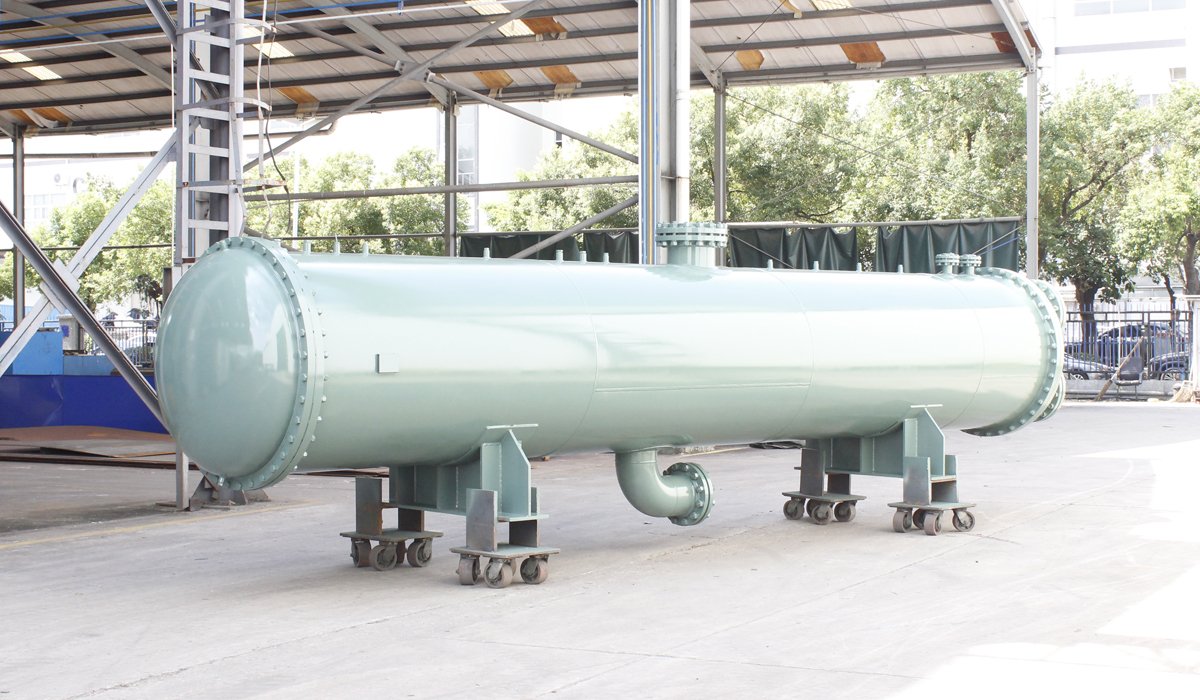
With so many material options available for shell-and-tube heat exchangers, do you find it difficult to know where to start or how to make the right choice? Drawing on decades of experience, we have summarized the common material selections used across various industries.
| Application | Common Material Options |
| HVAC & Chiller | Copper / SS / Carbon Steel |
| Refrigeration | Copper / SS |
| Seawater Cooling | Titanium / Copper Alloys |
| Desalination | Titanium / Duplex SS |
| Chemical Processing | 316L / Duplex / Nickel Alloys |
| Food & Beverage | 316L SS |
| Oil & Gas | Carbon Steel / SS / Duplex / Alloys |
| Industrial Process Cooling | Carbon Steel / SS / Copper |
How to Choose the Right Material for Your Shell and Tube Heat Exchanger
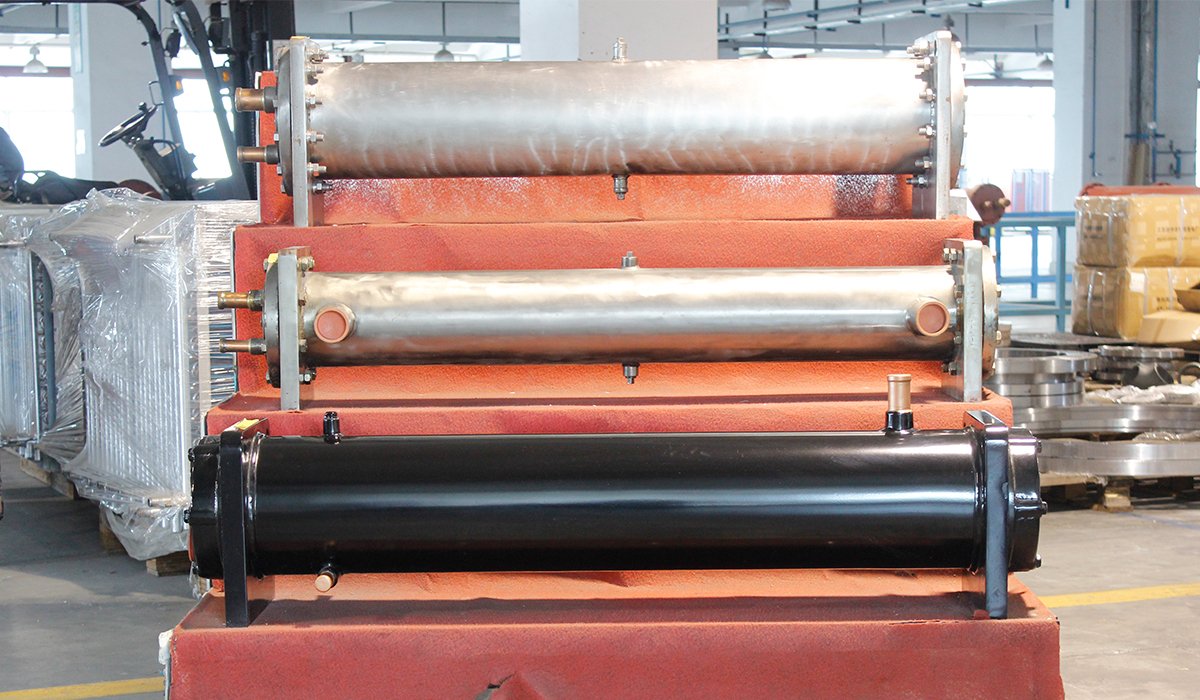
You now understand the common materials used for shell and tube heat exchangers, as well as the materials typically used across different industries. How do you choose the truly suitable material for your shell-and-tube heat exchanger? Here are a few points you need to consider:
Fluid
Materials such as carbon steel or stainless steel may be used for general industrial water, whereas seawater or corrosive chemical media may require 316L, copper-nickel alloys, titanium, duplex stainless steel, or nickel alloys. If you ignore the fluid, it will affect your judgment on material selection.
Flow Rate
Flow rate affects heat transfer capacity and the long-term performance of the material. If the flow rate is excessively high, it may also lead to issues such as erosion, pipe wall wear, and vibration. Therefore, you need to provide an accurate flow rate; otherwise, the long-term service life of the heat exchange tubes in your equipment will be affected.
Temperature
It is necessary to specify the inlet and outlet temperatures and the temperature difference for the media on both sides of the heat exchanger, as well as whether temperature fluctuations occur.
If you require frequent start-stop cycles or significant temperature fluctuations, you should inform the manufacturer in advance. This is because heat exchange can affect the long-term reliability of materials and the overall structure of the heat exchanger.
Operating Pressure
Operating pressure is the pressure at which the equipment operates under normal conditions. It is necessary to know the operating pressures of the tube side and shell side, as well as the pressure difference between the two sides. When providing operating pressure, you need to provide the pressure on both the tube side and the shell side.
The pressure difference directly affects the design of the shell and tube heat exchanger’s tube walls, tube sheets, and shell.
Design Pressure
Design pressure is a pressure condition that must be taken into account during mechanical design. If your project involves pressure vessel codes or specific design standards, please specify them at the beginning of the project, such as ASME or other applicable local codes.
Fluid Chemistry
It is necessary to determine the medium’s pH value, chloride ion concentration, salinity, chemical substance concentration, dissolved oxygen, impurities, and whether it contains solid particles.
Although both are forms of “water,” ordinary fresh water and high-chloride seawater pose vastly different corrosion risks to materials.
Fouling
It is necessary to determine whether common types of fouling are present, such as scale, sand and silt, biological fouling, oil, chemical deposits, etc. If you have used similar equipment in the past, it would be best to provide the actual scaling conditions and cleaning cycles of your existing heat exchangers.
Cleaning
The method of future cleaning is a factor easily overlooked during the material selection process for heat exchangers. Shell and tube heat exchanger materials must be compatible not only with the process media but also with the cleaning media.
Application
Operating conditions vary significantly across different application industries; therefore, material selection differs accordingly.
Based on the above, selecting materials for shell and tube heat exchangers is not simply a matter of choosing between 304, 316L, copper, and titanium. Even slight changes can influence our choice of materials. The right material is not the most expensive one, but the one best suited to the actual operating conditions.
Tube Material vs. Shell Material: Do They Need to Be the Same?
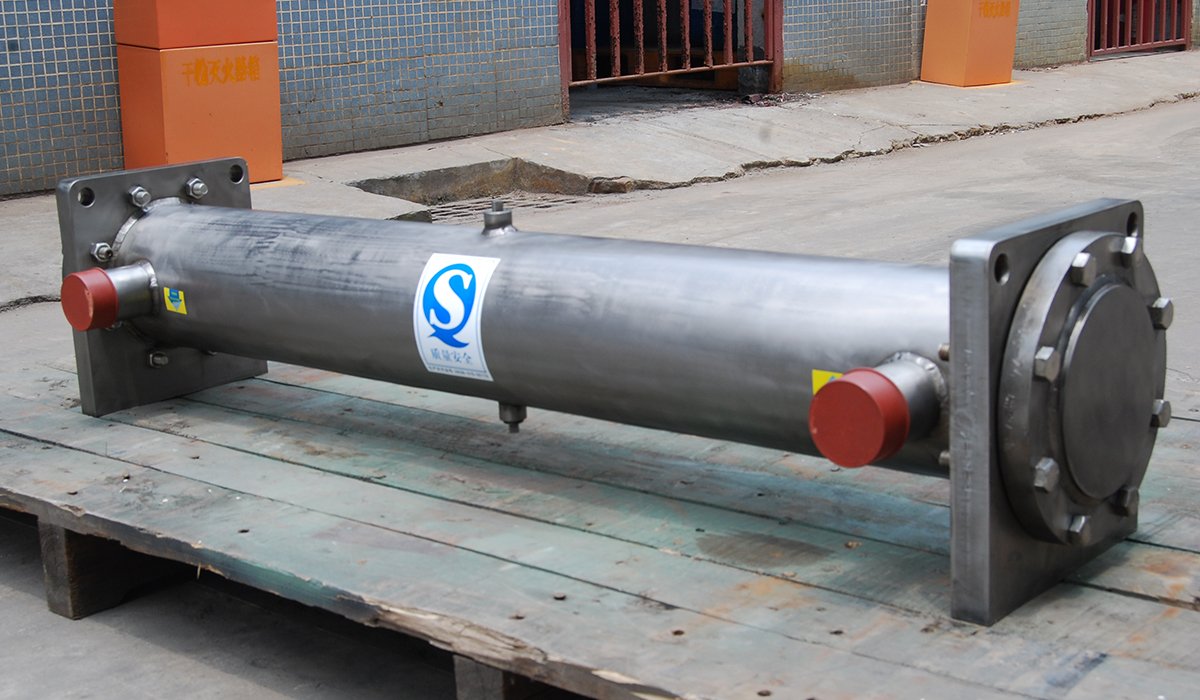
The answer is no. The shell and heat exchange tubes of a shell-and-tube heat exchanger do not necessarily need to be made of the same material. In practical applications, it is actually more reasonable to use a combination of different materials for the shell and the heat exchange tubes. It allows for a better balance among corrosion resistance, heat transfer, mechanical strength, service life, and cost.
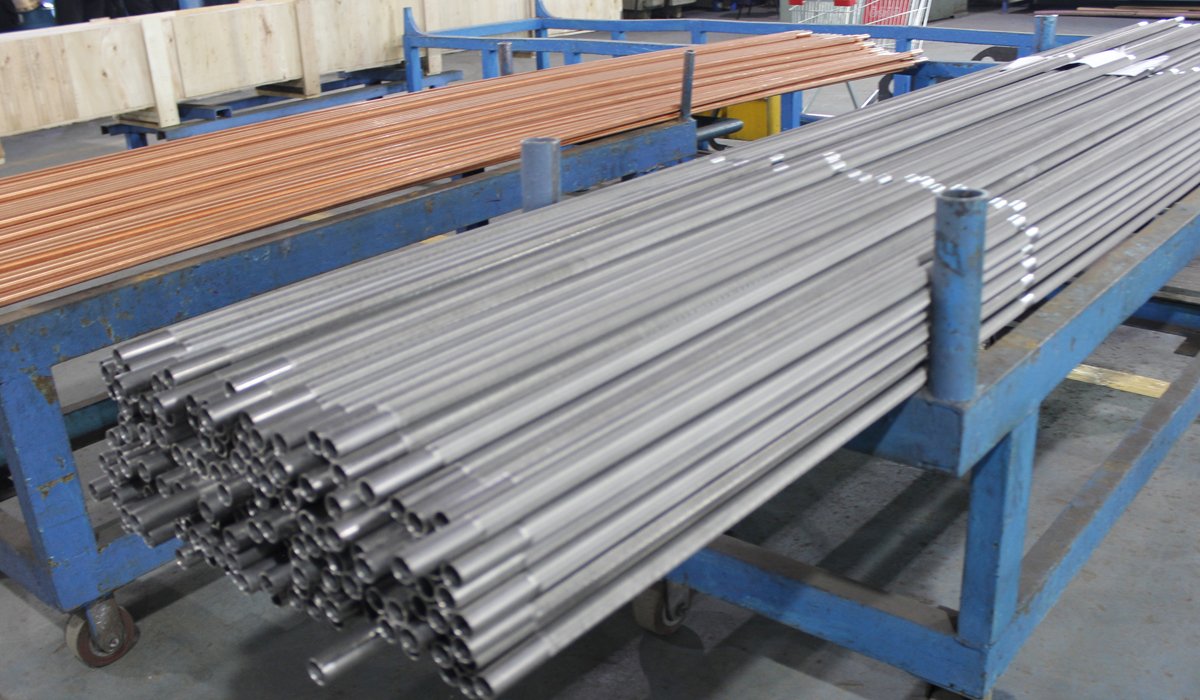
The shell-side and tube-side media are different.
The media in the shell side and the tube side may be completely different. Consequently, the working environments they face are also different.
For example, in a shell and tube heat exchanger, the shell side might contain ordinary cooling water, while the tube side contains a corrosive chemical medium. In this case, you might consider using relatively low-cost carbon steel for the shell, while utilizing 316L stainless steel—which offers superior corrosion resistance—for the heat exchanger tubes.
Heat exchanger tubes place higher demands on material properties.
Heat exchange tubes play a crucial role in shell and tube heat exchangers. It typically requires direct contact with the medium to perform the heat transfer function.
For heat exchanger tubes, factors such as thermal conductivity, corrosion resistance, and mechanical strength must be considered; the shell, on the other hand, primarily serves to withstand pressure, provide structural support, and contain the medium. Therefore, the material requirements for the shell and the heat exchange tubes are not exactly the same.
Overall cost control
In cases where only the tube-side medium is highly corrosive, we need only consider using corrosion-resistant materials for the tube side. There is no need to use expensive materials for the entire housing.
High-performance materials are used for critical components, while more cost-effective materials are employed for non-critical parts; this approach ensures equipment reliability and longevity while optimizing overall costs.
What Happens If You Choose the Wrong Material?
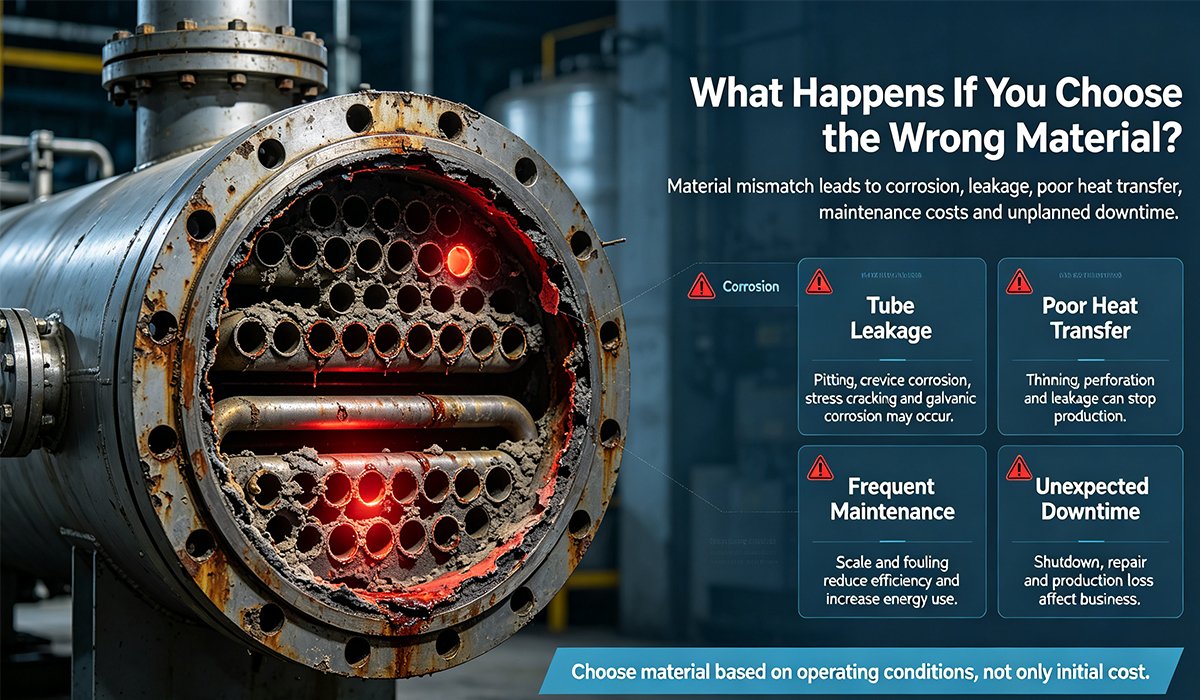
When selecting materials for shell and tube heat exchangers, one cannot consider cost alone. If the materials do not match the actual operating conditions, issues such as corrosion, leakage, and reduced heat transfer performance may arise after a period of operation. It may be increased maintenance costs or the cost of premature equipment replacement.
Corrosion
If the material is incompatible with the chemical nature of the medium, various forms of corrosion may occur—such as general corrosion, pitting, crevice corrosion, stress corrosion cracking, and galvanic corrosion.
Tube Leakage
Heat exchange tubes are critical components of heat exchangers and are among the primary parts that come into direct contact with the media. If the material has insufficient corrosion resistance, tube wall thinning, tube corrosion, and tube wall perforation may occur, leading to the most serious problem – leakage.
Poor Heat Transfer
If materials are improperly selected, resulting in the formation of scale or fouling, heat transfer efficiency will be impaired. Ultimately, you may encounter issues such as the equipment’s outlet temperature failing to meet requirements, a drop in heat transfer, and increased energy consumption.
Frequent Maintenance
If the materials do not match the actual engineering requirements, frequent inspection, cleaning, and maintenance may be necessary. This not only increases maintenance costs but also increases downtime.
Therefore, when selecting materials, please do not consider only the initial purchase cost; you also need to take into account the subsequent maintenance costs.
Unexpected Downtime
Choosing the wrong materials can have one of the most direct impacts on your business. If the heat exchanger exhibits severe corrosion, leakage, or insufficient heat transfer capacity, the following steps may be required: shutdown, inspection, repair, component replacement, and returning to operation. This involves not only a financial loss but also a loss of time.
It is recommended to partner with suppliers who possess expertise in both engineering design and application technology; this can reduce unplanned downtime and lower the overall lifecycle cost of heat exchange equipment.
FAQs
Does tube thickness affect the material selection of a heat exchanger?
Yes. Tube thickness and material type are related, but each serves a different purpose. The material determines properties such as corrosion resistance and mechanical strength, whereas the tube thickness dictates factors including pressure ratings, mechanical requirements, manufacturing standards, and design conditions.
Why are material certificates important for shell and tube heat exchangers?
Material certificates provide detailed information—such as chemical composition and mechanical properties—regarding the materials used in equipment. For critical industrial applications, material certification helps ensure that the supplied materials meet specified grades and standards.
Can the material of a shell and tube heat exchanger be changed after manufacturing?
Replacing materials after manufacturing is usually not a simple operation. The choice of materials affects mechanical design, corrosion resistance, welding processes, and the method of connecting tubes to the tubesheet; it can also influence relevant design calculations and regulatory requirements.
If a material replacement is indeed necessary, it must be evaluated by the heat exchanger manufacturer or a professional engineering team before implementation.
How UAR Helps You Choose the Right Heat Exchanger Material
UAR supplies shell and tube heat exchanger that meets international standards, holds comprehensive factory certifications, and offers custom sizing based on your designs.
At UAR, we do not recommend solutions based solely on material costs; instead, we base our recommendations on your actual operating conditions. We focus on understanding the specific details of your project’s operating environment and help you compare various material options. With over 30 years of experience in customizing shell and tube heat exchangers, we prioritize long-term value over mere procurement costs. Contact us now.