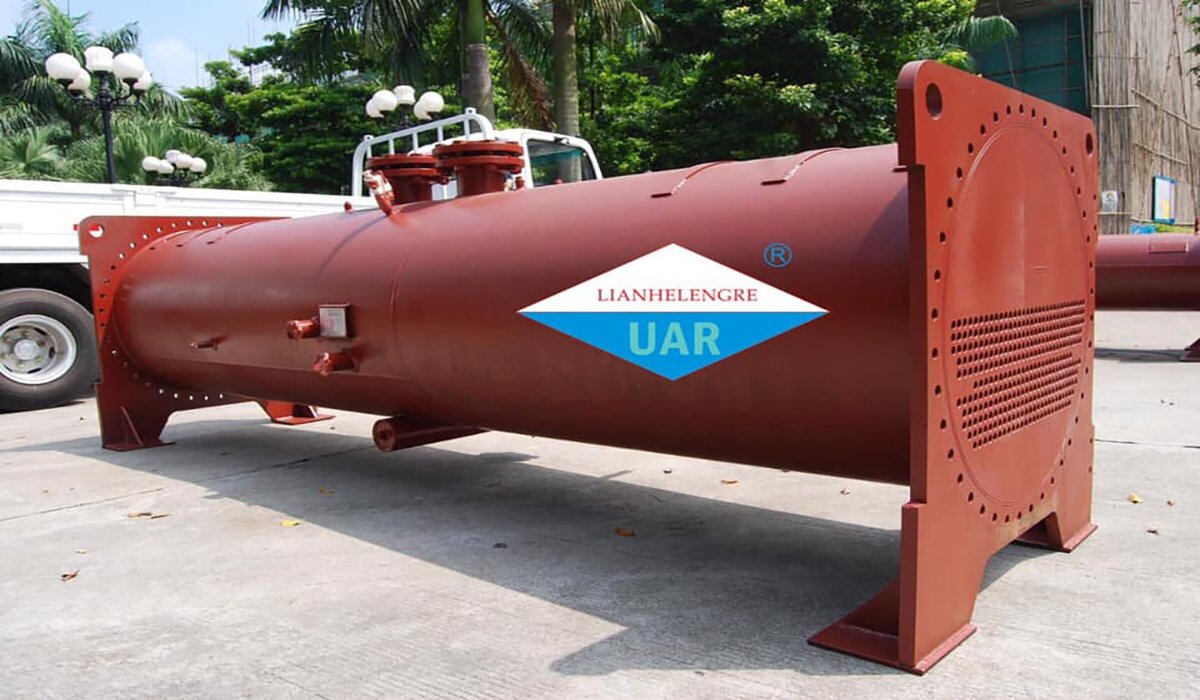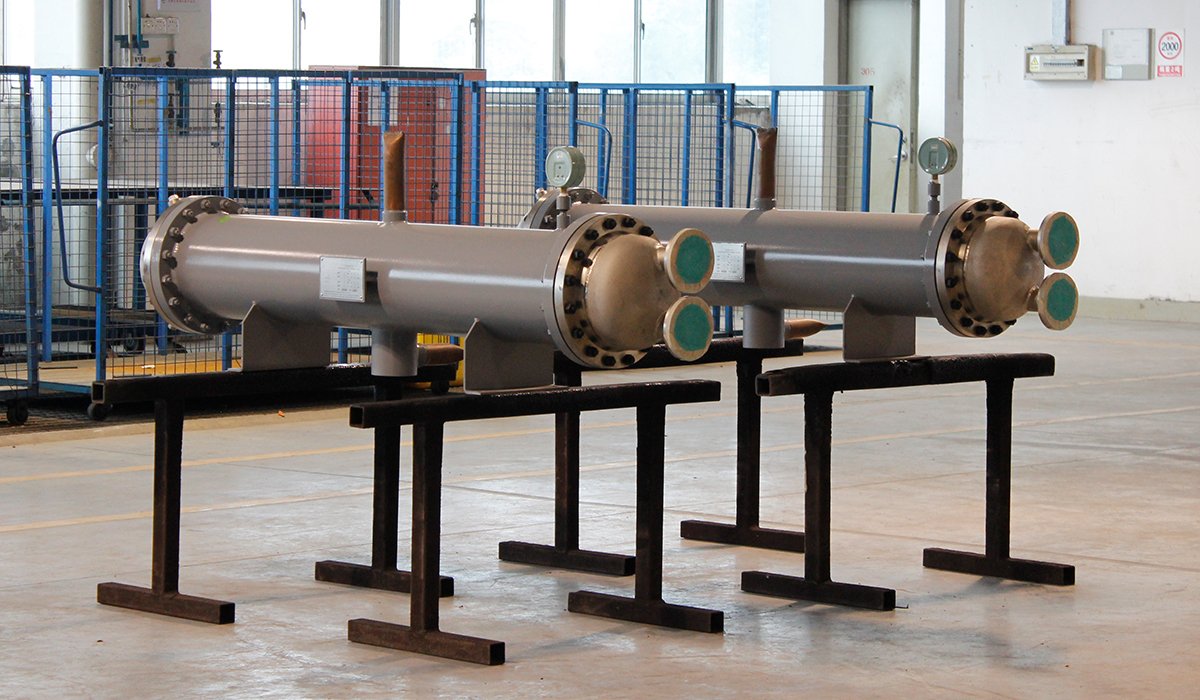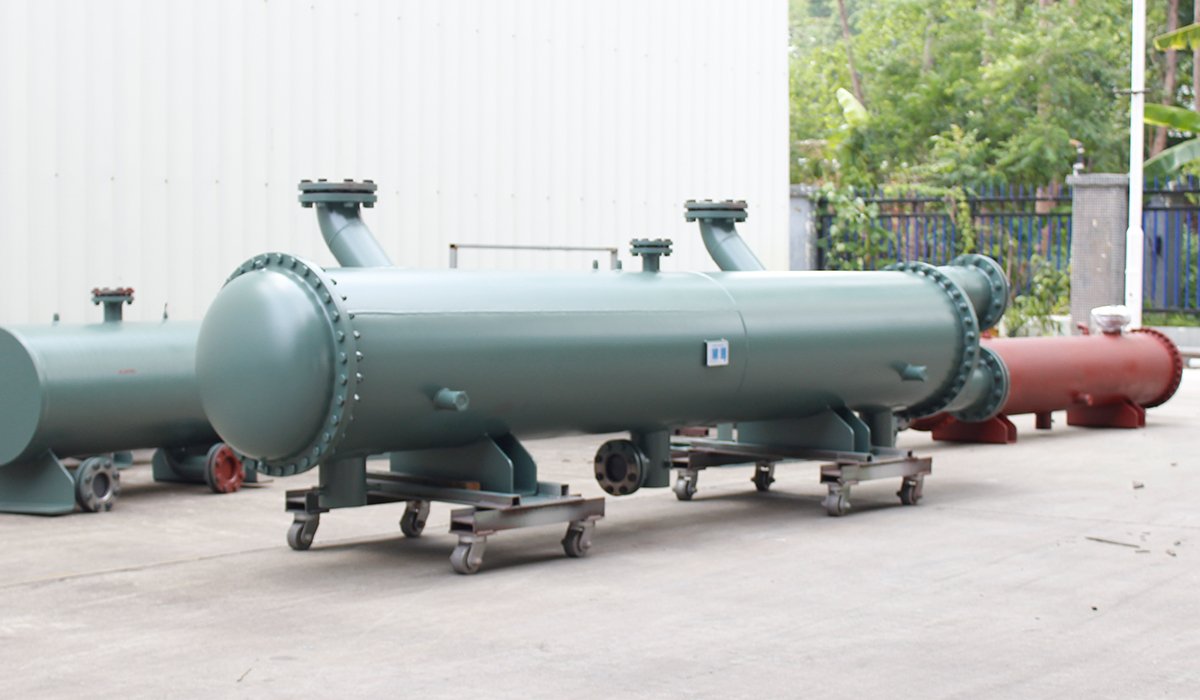
Shell-and-tube heat exchangers are widely used in industrial and commercial systems requiring reliable and efficient heat transfer. As the temperature control node in most industrial processes, they directly impact industrial production efficiency. Choosing the right heat exchanger for your needs can be based on your industry, operating environment, and application.
Where are shell and tube heat exchangers used?
Heat exchangers offer numerous advantages. Furthermore, they come in a variety of configurations and types, making them well-suited for a wide range of applications. Below are some of the main application areas for shell-and-tube heat exchangers:
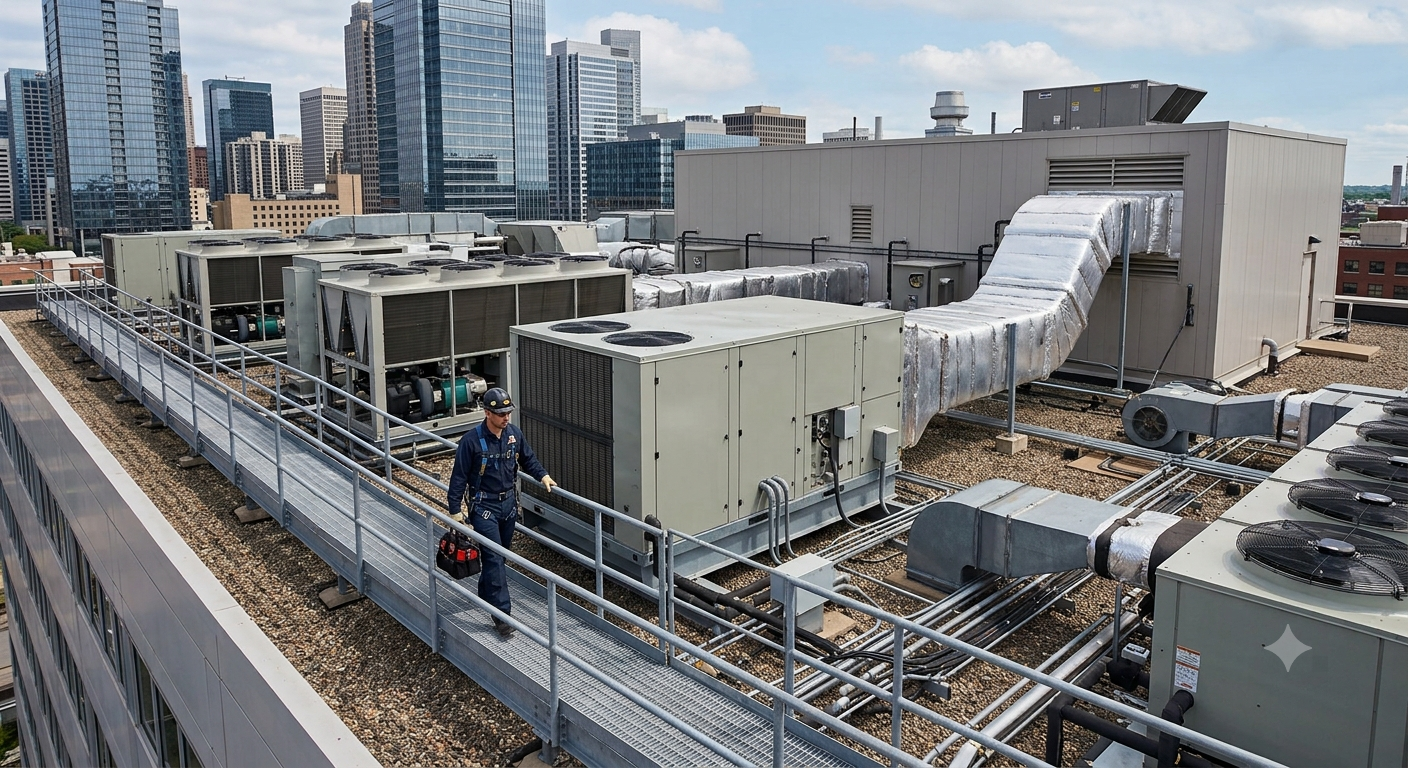
HVAC & Refrigeration
Central air conditioning, chiller units, commercial building and industrial air conditioning systems typically involve refrigerant pressure, cooling water flow rate, temperature difference, and heat exchange load, shell-and-tube heat exchangers are widely used because they can be matched to different cooling capacities and operating conditions according to your project.
Chemical Processing
The chemical industry is a typical application for shell-and-tube heat exchangers. Commonly used heat exchange equipment in chemical production processes, they can be used for heating, cooling, evaporating and condensing process fluids, as well as waste heat recovery.
Fluid compatibility is crucial; shell-and-tube heat exchangers can withstand corrosion from various chemical media .
Oil & Gas
In the oil, gas, and petrochemical industries, shell-and-tube heat exchangers are mainly used for processes such as crude oil cooling, lubricating oil cooling, gas cooling, process medium heating, steam condensation, and heat recovery. When designing a heat exchanger, pay attention to the following: Flow velocity, Reynolds number, Pressure drop, and Heat transfer coefficient.
Power Generation
In the power industry, shell-and-tube heat exchangers are mainly used for equipment cooling, steam condensation, lubricating oil cooling, feedwater heating, and waste heat recovery. Because factors such as large heat duty, continuous operation, high reliability, steam pressure, condensing temperature, cooling water flow, pressure drop, folding, and corrosion all affect whether your heat exchanger can maintain its designed heat exchange performance stably over a long period of time.
Marine
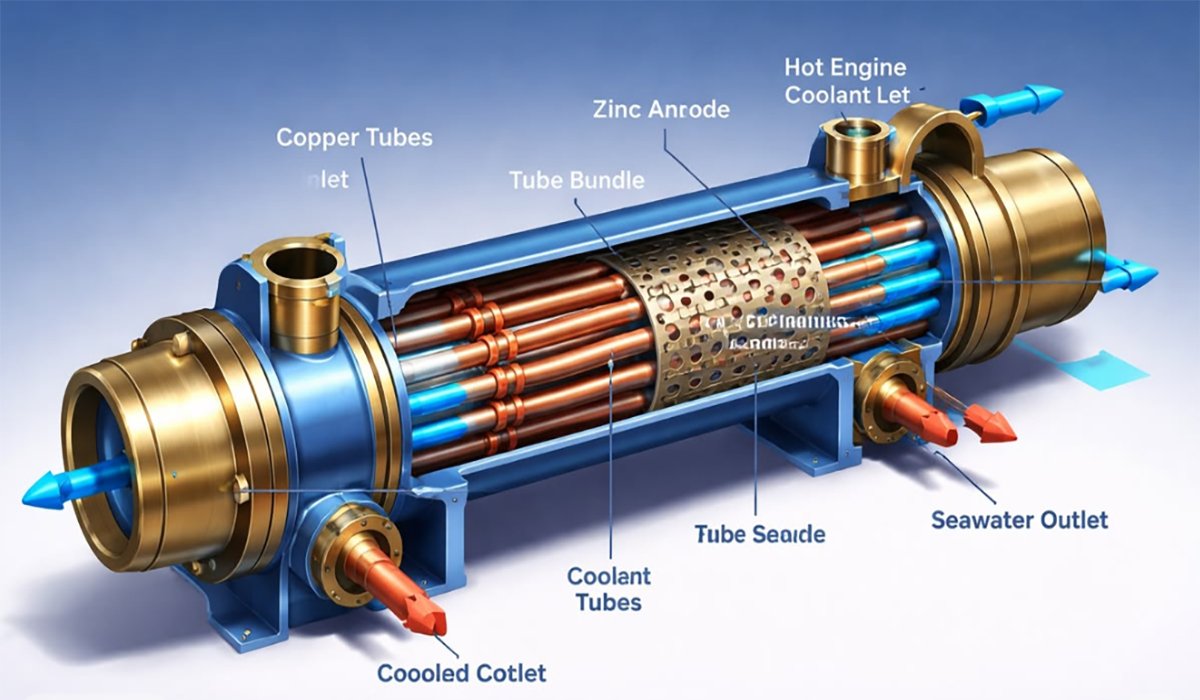
Shell-and-tube heat exchangers are widely used in the cooling systems of marine engines and equipment, primarily for engine cooling, lubricating oil cooling, hydraulic oil cooling, and heat exchange between fresh and seawater. When using heat exchangers for marine applications, you need to consider seawater corrosion; the choice between titanium and stainless steel depends on factors such as temperature, flow rate, and chloride ion concentration.

Food & Beverage
Heat exchangers are indispensable for material heating, cooling, temperature control, and heat recovery in food processing, dairy products, beverages, beer, and other food production processes. The food industry demands cleanliness, so heat exchangers cannot only be considered in terms of heat exchange efficiency; ease of cleaning, CIP compatibility, and resistance to product contamination must also be taken into account.
Pharmaceutical
In pharmaceutical manufacturing and related industrial processes, shell-and-tube heat exchangers can be used for pure water heating and cooling, process fluid temperature control, steam condensation, and heat recovery. It is also necessary to focus on the materials, cleaning methods, and the overall system’s requirements for hygiene and contamination control..
Industrial Manufacturing
Shell-and-tube heat exchangers are used in machinery manufacturing, metallurgy, compressors, hydraulic equipment, and various industrial production lines for hydraulic oil cooling, lubricating oil cooling, process water cooling, and equipment heat dissipation.
| Application | Typical Use |
| HVAC & Refrigeration | Chillers, condensers, evaporators |
| Chemical Processing | Process heating, cooling, condensation |
| Oil & Gas | Oil cooling, heating, condensation |
| Power Generation | Steam condensation, equipment cooling |
| Marine | Engine, oil and seawater cooling |
| Food & Beverage | Heating, cooling, pasteurization |
| Pharmaceutical | Process Heating/Cooling |
| Industrial Manufacturing | Equipment Cooling |
What are shell and tube heat exchangers used for?
Cooling Applications
By facilitating indirect heat exchange between a high-temperature fluid and a low-temperature fluid, heat is transferred from the high-temperature medium to the cooling medium, thereby lowering the temperature of the target fluid.
Typical applications:
- Hydraulic oil cooling
- Lubricating oil cooling
- Process fluid cooling
- Engine cooling
- Compressor cooling
- Cooling water heat exchange
Heating Applications
Shell-and-tube heat exchangers can also utilize heat sources such as steam, hot water, and thermal oil to transfer heat to the process medium on the other side. They are commonly used in the chemical, food, pharmaceutical, and industrial sectors.
Typical applications:
- Heating process fluids
- Heating water
- Food processing
- Heating chemical materials
- Hot water production
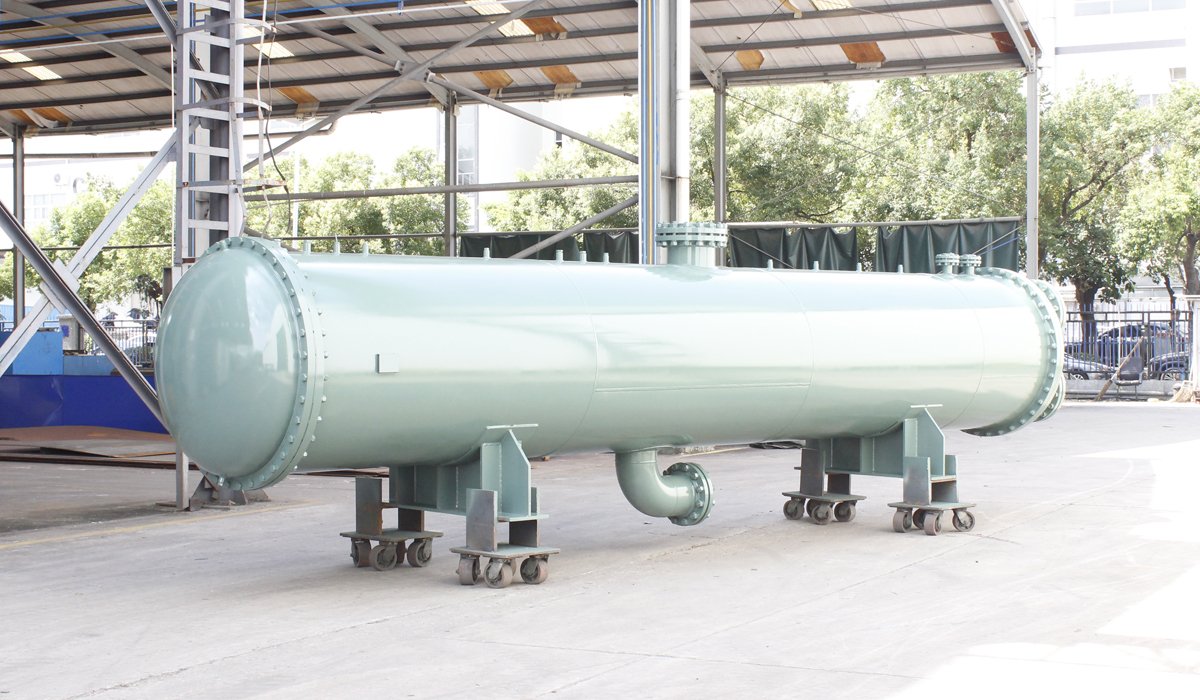
Condensation Applications
Condensation is a critical function of shell-and-tube heat exchangers in the refrigeration, HVAC, chemical, and power generation industries.
It removes heat from gases or vapors using a cooling medium, causing them to change from a gaseous to a liquid state.
Typical applications:
- Refrigerant condensation
- Water vapor condensation
- Chemical process vapor condensation
- Heat pump condensation
- Power plant steam condensation
Evaporation Applications
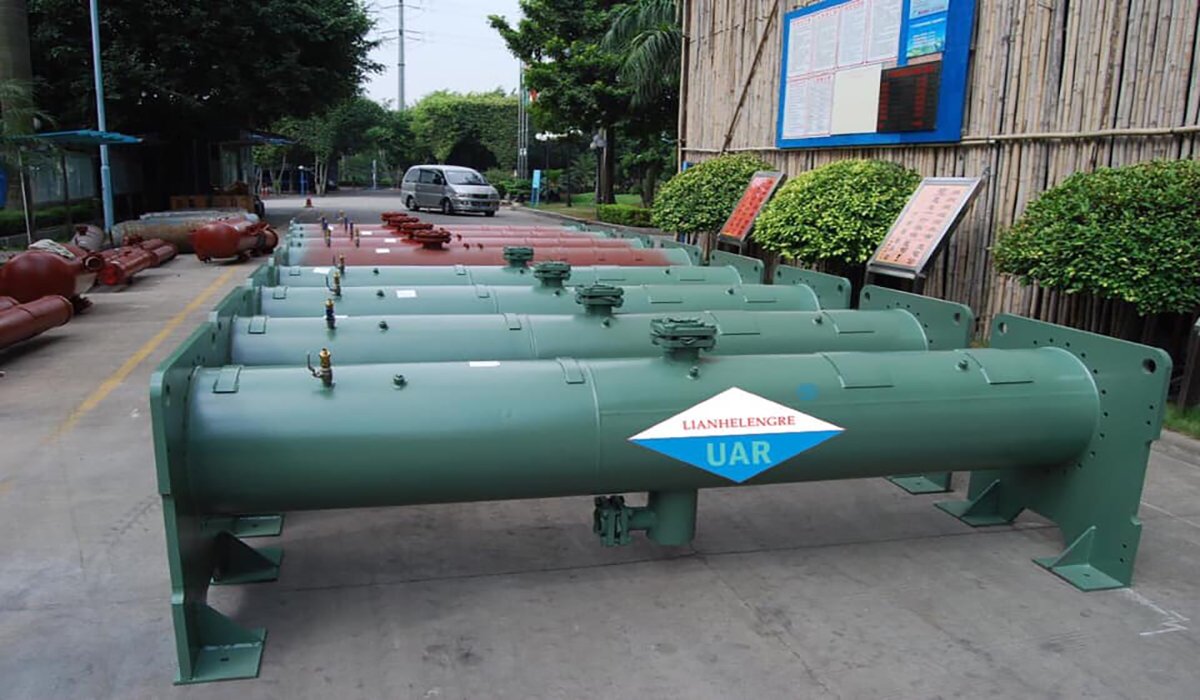
Evaporation, the opposite of condensation, is a core function of shell-and-tube heat exchangers in chiller units and industrial refrigeration.
It causes the liquid refrigerant to vaporize by absorbing heat from the fluid on the other side.
In chiller units, shell-and-tube evaporators absorb heat from chilled water, thereby lowering the water temperature.
Typical Applications:
- Chiller evaporators
- Industrial refrigeration
- Cold storage facilities
- Process cooling
- Heat pump systems
Heat Recovery Applications
Shell-and-tube heat exchangers can also recover heat that would otherwise be wasted during the production process.
They use the heat from high-temperature wastewater to heat cold water.
The core of this application is not simply “cooling,” but rather converting waste heat into usable thermal energy.
Typical applications:
- Industrial waste heat recovery
- Chemical industry waste heat recovery
- HVAC heat recovery
- Data center heat recovery
- Power system heat recovery
Why Are Shell and Tube Heat Exchangers Suitable for These Applications?
Choosing a shell-and-tube heat exchanger is not simply a matter of selecting the highest pressure rating, largest heat exchange area, or highest flow rate. Whether your heat exchanger is suitable for a particular system depends on the actual operating conditions: the heat to be transferred, the medium being processed, the flow rate, the inlet and outlet temperatures, and the pressure drop the system can withstand. For applications with risks of high temperature, high pressure, corrosion, or fouling, further consideration of materials and structural design is required.
Therefore, determining whether a shell-and-tube heat exchanger is suitable for a specific application typically requires examining the following key parameters.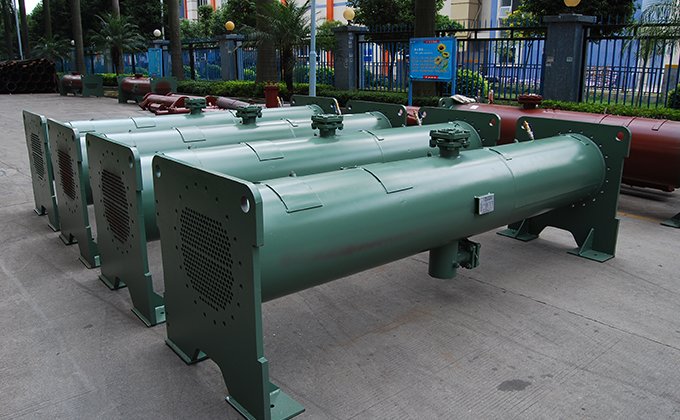
Heat Duty
The heat load determines the required heat exchange capacity of a heat exchanger and is the starting point for selection.
Although cooling, heating, condensation, evaporation, and heat recovery all fall under the category of heat exchange processes, the required heat exchange capacity and methods differ. For example, the heat exchange capacity of the evaporator in a chiller unit depends on the cooling capacity, chilled water flow rate, and inlet and outlet water temperatures; while industrial waste heat recovery projects require calculations based on the heat loads of both the heat source and the heated medium. When the heat exchanger’s heat exchange load is large, the design requirements of a shell-and-tube structure can be met by increasing the heat exchange area, tube length, number of tubes, or adjusting the number of tube passes, making it particularly suitable for medium to large-scale continuously operating heat exchange systems.
Fluid Type
Shell-and-tube heat exchangers can be used for heat exchange between a variety of fluids, such as water, cooling water, ethylene glycol, refrigerants, steam, oil, and certain chemical media. Depending on the fluid’s physical properties, corrosiveness, viscosity, and cleanliness, suitable shell and tube materials, as well as tube-side and shell-side arrangements, can be selected. Therefore, they are suitable for a wide range of applications, from ordinary water-to-water heat exchange to refrigerant-to-water, oil-to-water, and industrial media heat exchange..
Flow Rate
Flow rate directly affects the internal flow velocity, heat transfer coefficient, and pressure drop of a heat exchanger. However, higher flow rate is not always better. Too low a flow rate leads to decreased heat transfer performance and increased risk of fouling, while too high a flow rate results in increased pressure drop and energy consumption. Therefore, your shell-and-tube heat exchanger can be adapted to different flow rate requirements by adjusting the tube diameter, number of tubes, number of tube passes, and shell dimensions. A reasonable flow rate design ensures sufficient heat exchange efficiency while avoiding excessive pressure drop and fluid resistance.
Inlet & Outlet Temperature
The required heat exchanger capacity and area need to be determined based on the inlet temperature and target outlet temperature of the fluids on both sides. For example, in a chiller unit, chilled water may need to be cooled from a higher temperature to the set temperature; in an industrial heating system, hot water or steam may be used to raise the temperature of the process fluid. Inlet and outlet temperatures are crucial for determining the heat exchange load and heat exchanger size.
Operating & Design Pressure
Different applications have vastly different pressure requirements. If you are in the HVAC and refrigeration systems industry, you need to consider refrigerant-side pressure; if you are in the chemical, steam, or oil and gas industries, you may need higher operating pressures. Shell-and-tube heat exchangers can be structurally designed to suit your specific project requirements, including operating pressure, design pressure, and pressure testing requirements. The system’s pressure requirements can be met by selecting appropriate shell-side and tube-side materials and wall thicknesses.
Allowable Pressure Drop
Heat exchangers not only need to achieve sufficient heat exchange efficiency, but also must control the pressure drop generated when fluid flows through the equipment. Excessive pressure drop increases the load on pumps or compressors, thereby increasing system energy consumption. Therefore, a balance must be struck between heat exchange efficiency and pressure drop when designing shell-and-tube heat exchangers. Our company typically adjusts the number of tubes, flow rate, tube diameter, and heat exchange area according to your required pressure drop range.
Fouling & Corrosion
During long-term operation, cooling water, seawater, oil, and some industrial media can cause scale, fouling, or corrosion in your equipment, reducing heat exchange efficiency and shortening equipment lifespan. Depending on the configuration, shell-and-tubeheat exchangers can offer relatively straightforward inspection,mechanical cleaning,or tube-side maintenance. Furthermore, suitable tube materials and structures can be selected based on the media characteristics, and the effects of scaling can be mitigated through appropriate flow control and design margins. When your project requires long-term operation and faces a certain risk of scaling, a custom-designed shell-and-tube heat exchanger is ideal.
Material
Material selection requires comprehensive consideration of factors such as fluid type, temperature, pressure, and corrosive environment. You can choose materials based on the operating environment of the equipment; commonly used materials include carbon steel, stainless steel, copper, and copper alloys. In ordinary water systems, conventional materials can be selected. However, if the medium is corrosive, materials with better corrosion resistance should be chosen. Flexible material selection ensures that your shell-and-tube heat exchanger can meet even the most complex industrial conditions.
Heat Exchanger Type
Different applications require different shell-and-tube heat exchanger structures. For example, refrigeration systems may need shell-and-tube evaporators or condensers, industrial cooling systems may need water-cooled heat exchangers, and specific high-temperature and high-pressure conditions require the selection of appropriate structural forms based on actual conditions. When selecting a heat exchanger type, you need to consider factors such as heat transfer method, fluid characteristics, pressure, temperature, maintenance requirements, and installation space, rather than using the same standard structure for all applications.
The selection of a properly chosen shell-and-tube heat exchanger must not only meet the required heat exchange capacity, but also comprehensively balance pressure drop, material compatibility, fouling risk, operating pressure, operating temperature, and long-term operational reliability.
FAQ
How long does a shell and tube heat exchanger last?
Shell-and-tube heat exchangers typically have a service life of 10–20 years or even longer, but there is no fixed lifespan applicable to all equipment. Actual lifespan depends primarily on your required operating temperature and pressure, media corrosivity, scaling conditions, material selection, operating time, and maintenance methods.
How often should a shell and tube heat exchanger be cleaned?
The cleaning cycle for your heat exchanger is typically determined based on the medium, scaling rate, operating time, and changes in heat exchange performance.
Media that are prone to scale, silt, or biofouling, such as cooling water, circulating water, and seawater, may require more frequent inspection and cleaning.
What causes a shell and tube heat exchanger to lose efficiency?
The most common causes of decreased efficiency in shell-and-tube heat exchangers are scaling, fouling, corrosion, abnormal flow rates, and operating conditions deviating from design values. When you find that the heat exchange efficiency has decreased, you cannot simply assume that “the heat exchanger is old.” You should make a judgment based on temperature, flow rate, pressure drop, and the state of the medium.
Can shell and tube heat exchangers handle dirty fluids?
Yes, but the design needs to be tailored to the properties of the contaminated medium.
Shell-and-tube heat exchangers have certain advantages over some compact heat exchangers when handling media containing certain impurities, particulate matter, or media prone to scaling, especially in some industrial applications that require regular mechanical cleaning.
Can a shell and tube heat exchanger be customized for specific operating conditions?
Yes. One of the biggest advantages of shell-and-tube heat exchangers is that they can be designed and customized according to specific operating conditions.
Different projects may have completely different heat loads, media, flow rates, temperatures, and pressures; therefore, heat exchangers typically need to be selected and designed based on actual operating conditions.
Final thought
UAR does not offer a one-size-fits-all solution for shell-and-tube heat exchangers. A suitable solution requires a comprehensive evaluation based on factors such as the specific application, medium characteristics, heat transfer capacity, temperature, pressure, fouling tendency, allowable pressure drop, and material requirements.
With over 30 years of experience customizing shell-and-tube heat exchangers, UAR supplies internationally standardized models with comprehensive factory certifications and can provide custom sizes to your design. Please contact us.